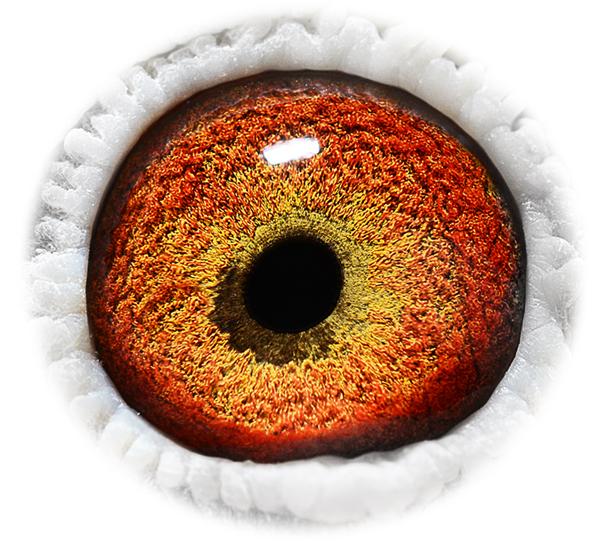
"SUPER FRANKY" from Georges Herman-Van Dist, 1st National Ace Pigeon Long Distance France 2025
02 Jan 2026
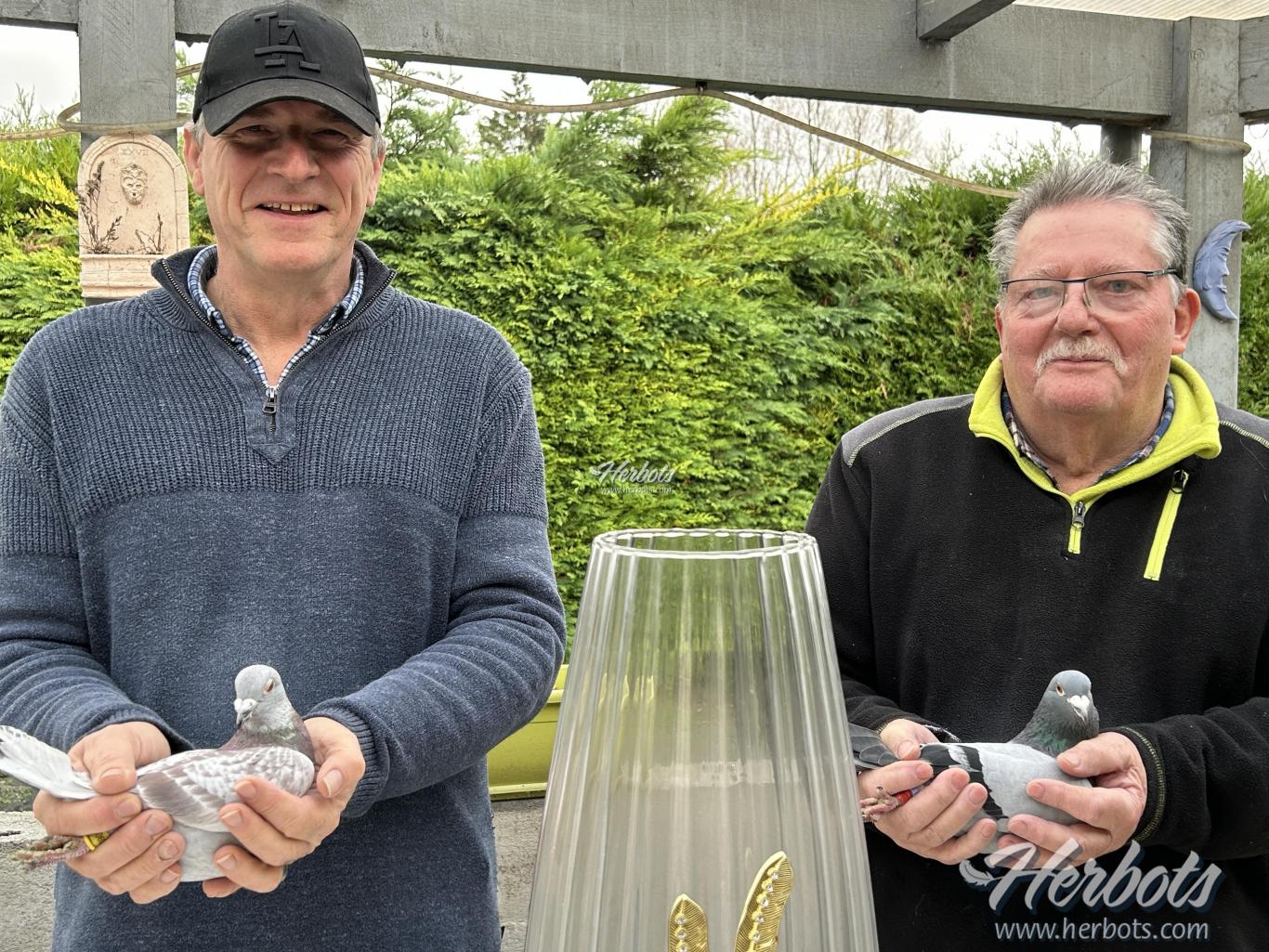
The Georges Herman-Van Dist tandem from Halluin (France) has an incredible champion in their collection with "Super Franky."
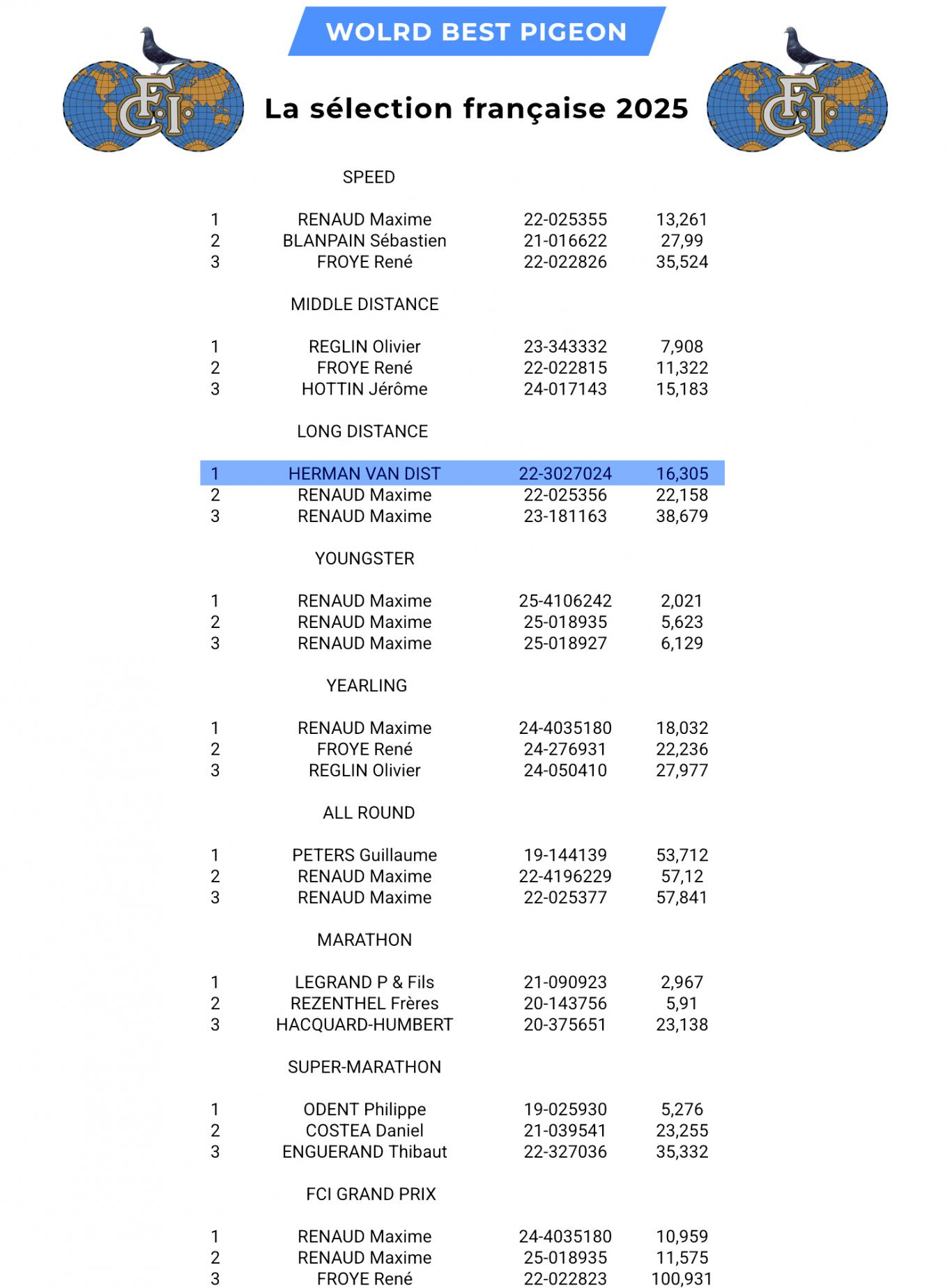
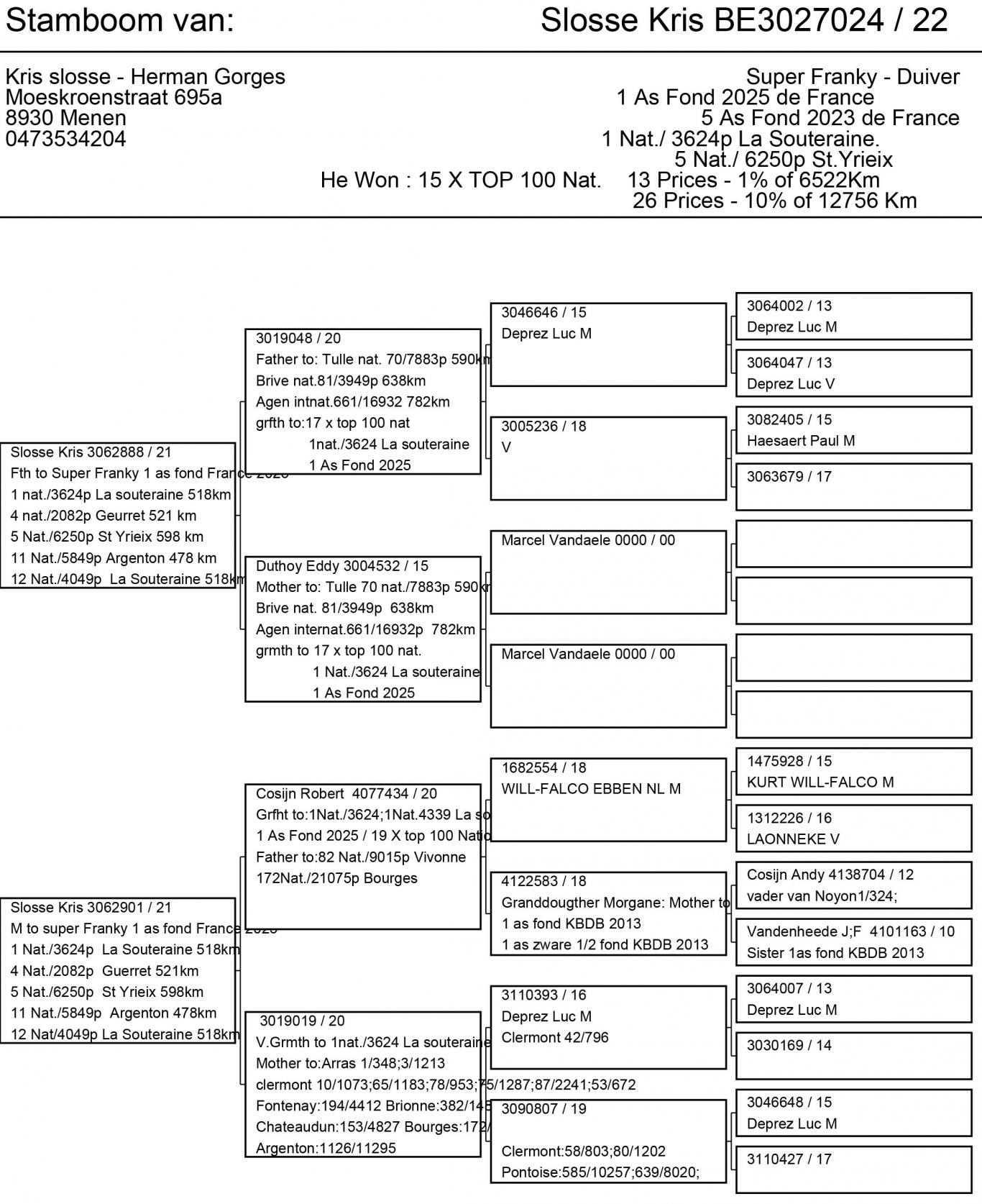
"Super Franky," ring number BE22-3027024, can easily be considered one of the best pigeons in the international airspace.
His palmares reads like a fairy tale:
1st National Ace Pigeon France Long Distance 2025
1st World Best Pigeon Long Distance France 2025
2nd Olympiad Pigeon France Long Distance – Dortmund 2026
5th National Ace Pigeon France Long Distance 2023
1st Ace Pigeon Great Middle Distance – 7 prizes – Nord Pas De Calais 2025
1st Ace Pigeon Great Middle Distance – 6 prizes – Nord Pas De Calais 2023
3rd Ace Pigeon Great Middle Distance – 7 prizes – Nord Pas De Calais 2024
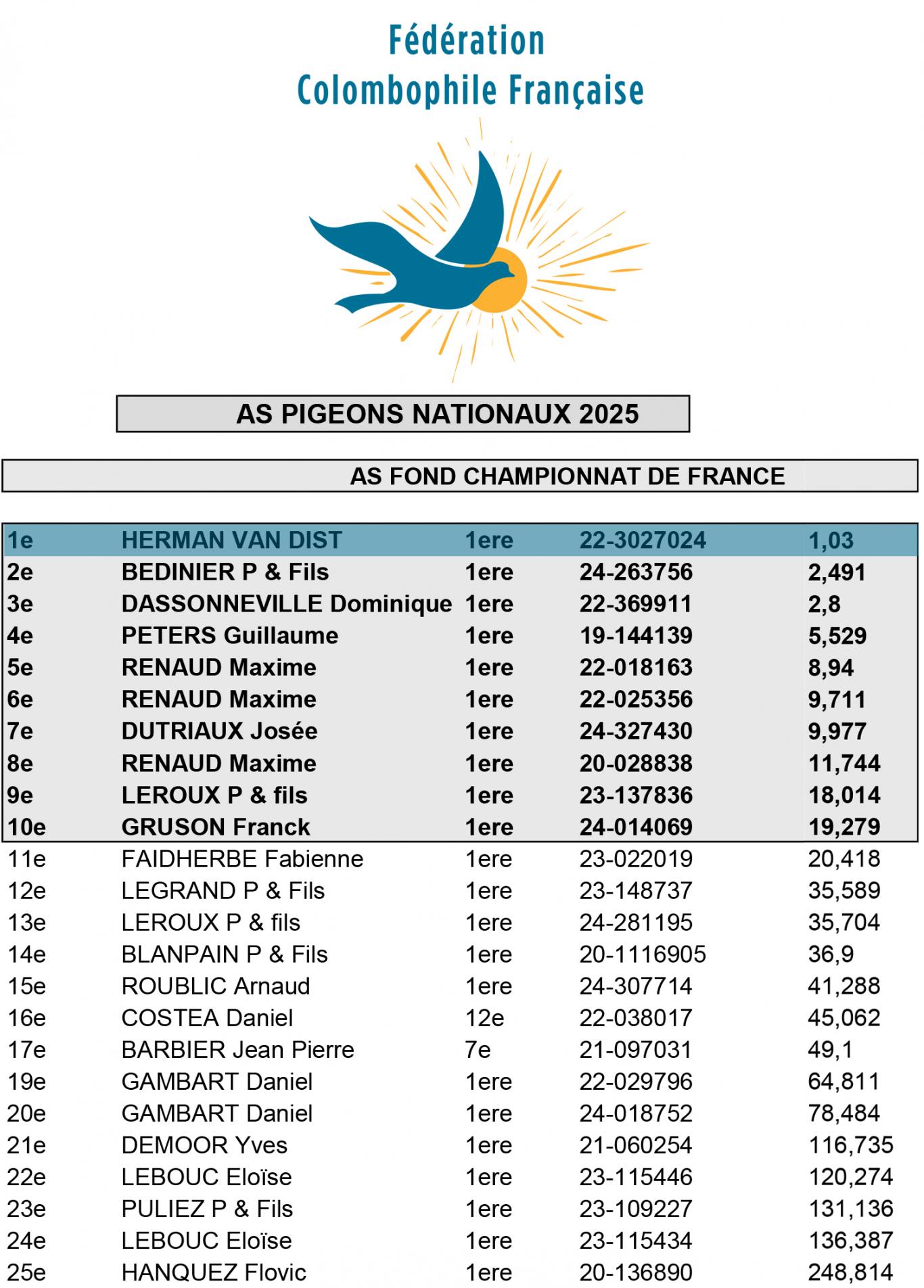
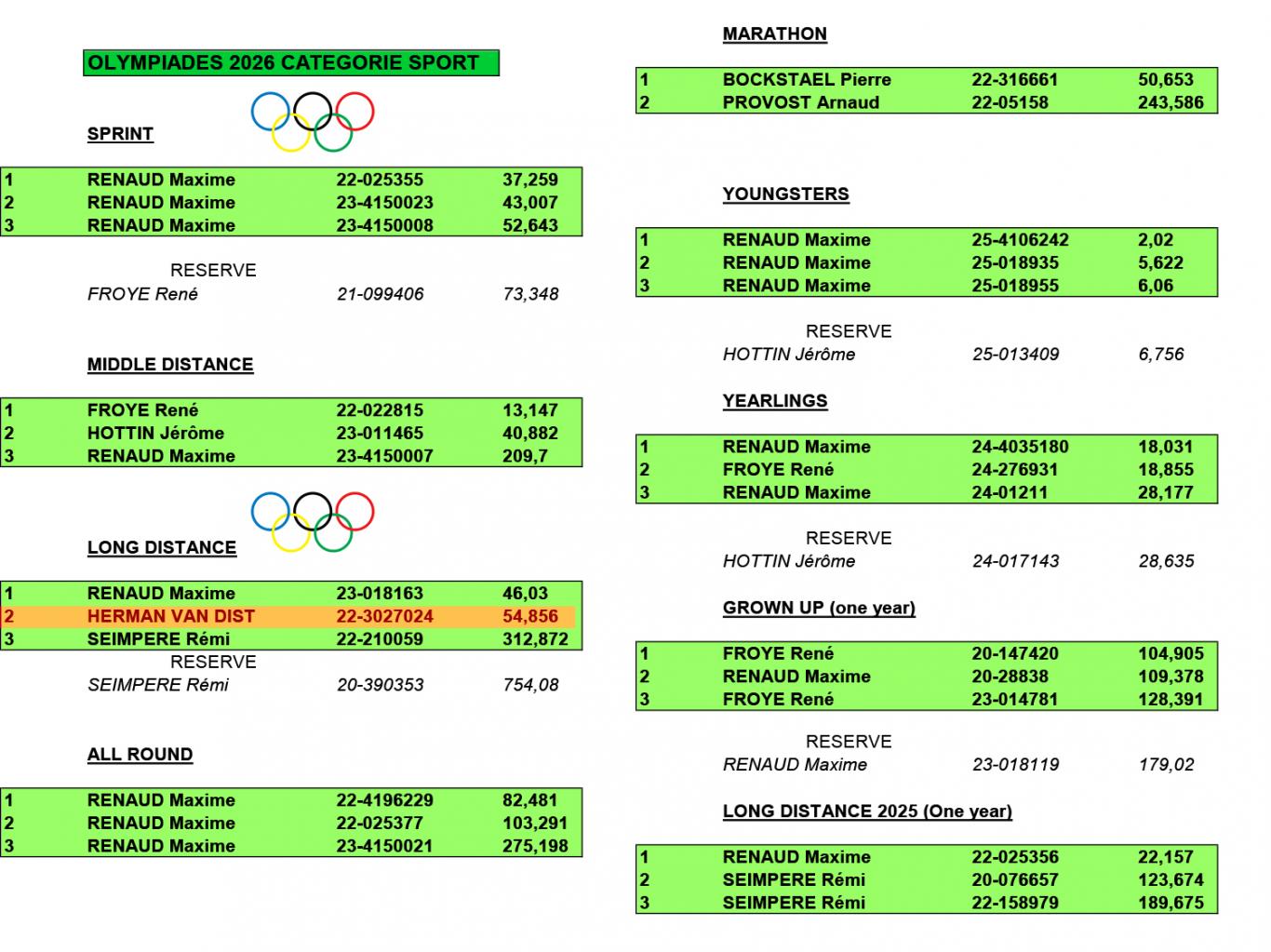
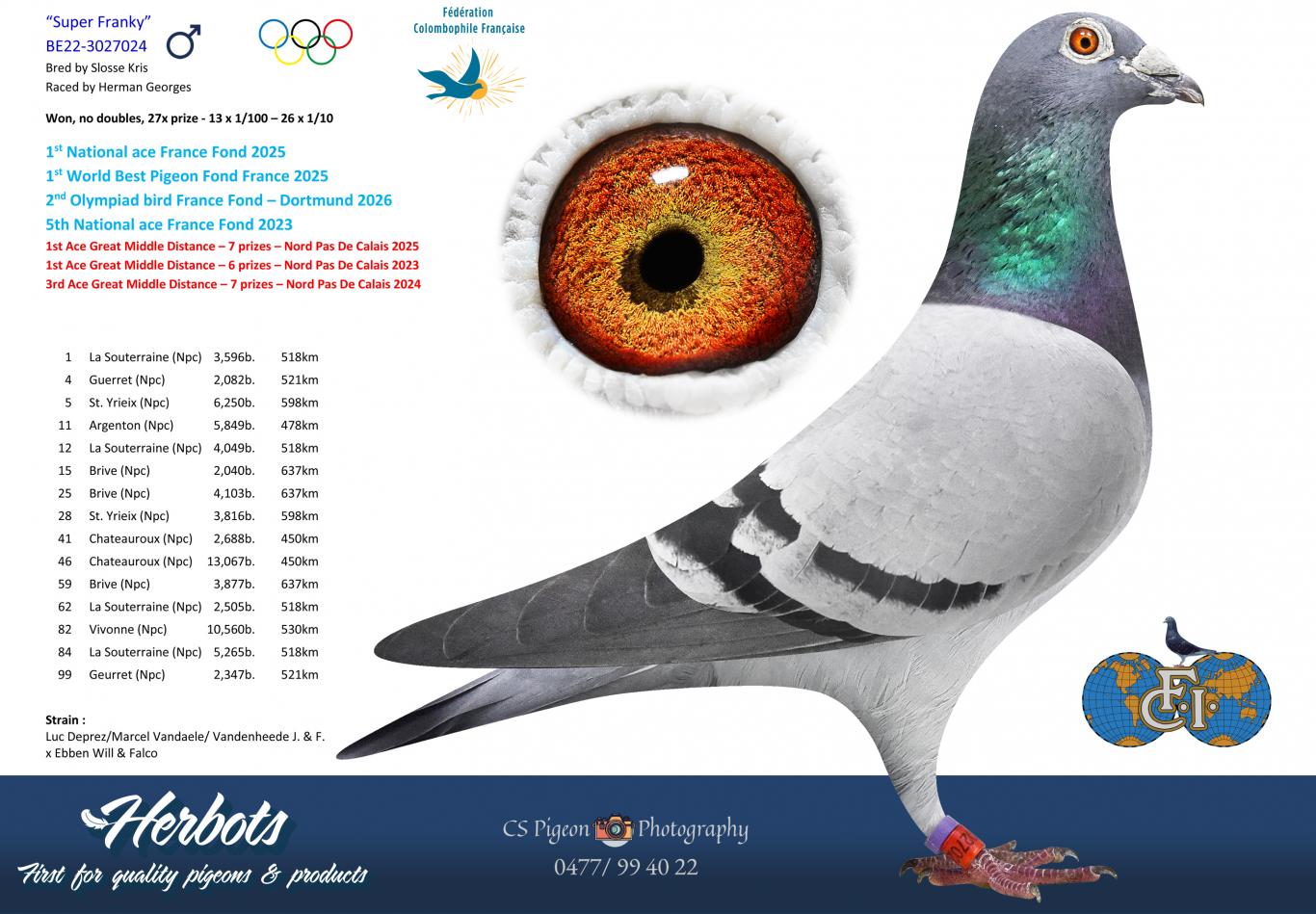
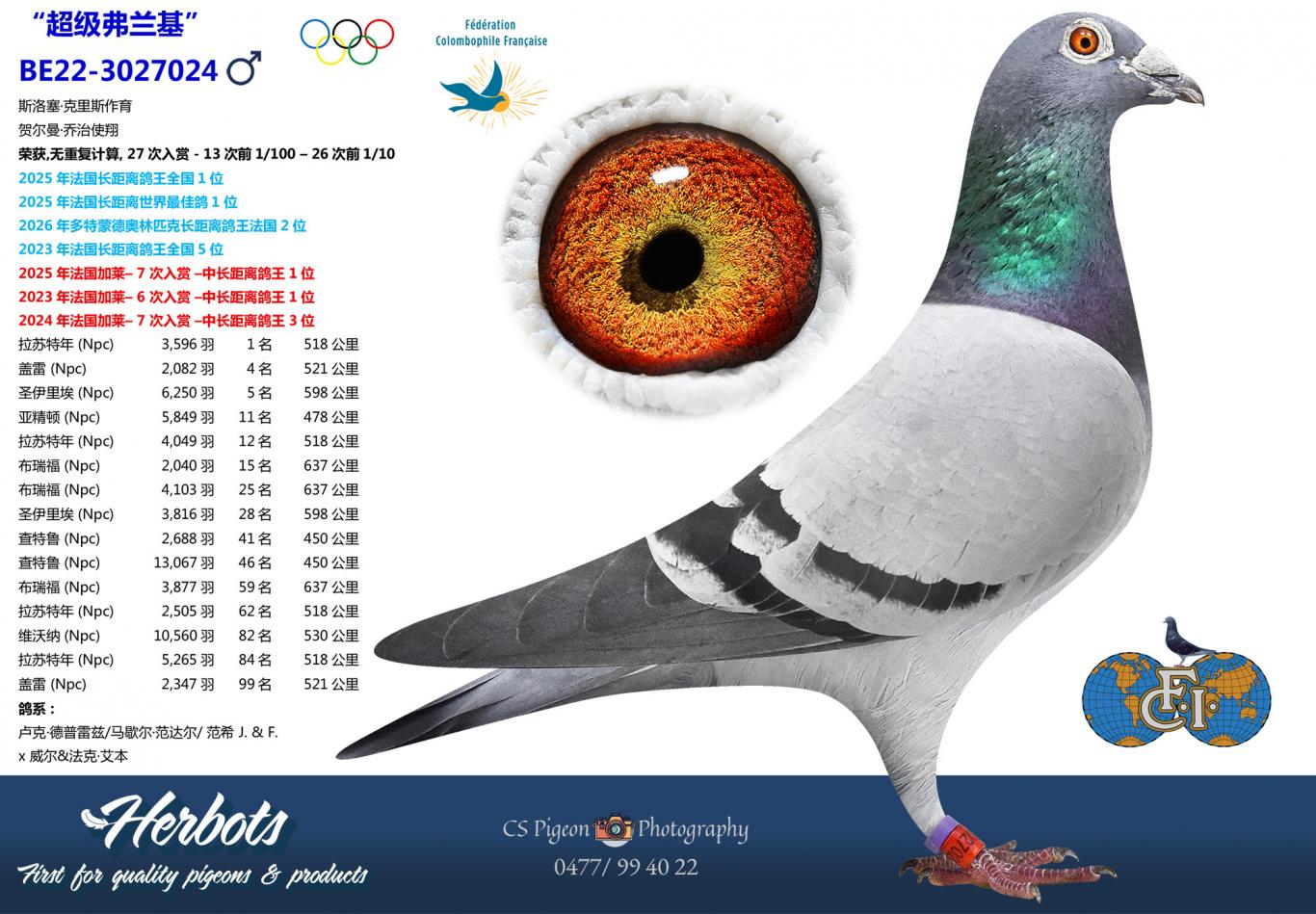
"SUPER FRANKY" is a pigeon bred by Kris Slosse from Rekkem (Belgium), and his palmares is truly extraordinary. The list of his prizes is too long, so we'll limit ourselves to just the 15 best "top 100" NPC rankings:
1st NPC La Souterraine 3,596 pigeons (518 km)
4th NPC Guéret 2,082 pigeons (521 km)
5th NPC St Yrieix 6,250 pigeons (598 km)
11th NPC Argenton 5,849 pigeons (478 km)
12th NPC La Souterraine 4,049 pigeons (518 km)
15th NPC Brive: 2,040 pigeons (637 km)
25th NPC Brive: 4,103 pigeons (637 km)
28th NPC St Yrieix: 3,816 pigeons (598 km)
41st NPC Châteauroux: 2,688 pigeons (450 km)
46th NPC Châteauroux: 13,067 pigeons (450 km)
59th NPC Brive: 3,877 pigeons (637 km)
62nd NPC La Souterraine: 2,505 pigeons (518 km)
82nd NPC Vivonne: 10,560 pigeons (530 km)
84th NPC La Souterraine: 5,265 pigeons (518 km)
99th NPC Guéret: 2,347 pigeons (521 km)
To clarify… the title of 1st National Ace Pigeon Long Distance 2025 France is awarded to the pigeon with the two best long distance results on flights of their choice between 500 km and 800 km. "Super Franky" won with the following two results:
1st NPC La Souterraine against 3,596 pigeons (518 km)
5th NPC St Yrieix against 6,250 pigeons (598 km).
What a fantastic list of achievements, and how wonderful it must feel for the owners to own such a champion.
History of the colony
Georges Herman lives in the French town of Halluin (Lille district, Nord department) in the Hauts-de-France region, near the Belgian border. As the son of a pigeon fancier, he learned the basics of pigeon racing from his father. He himself began competing in speed races in 1967. Although speed racing was his favorite discipline for many years, he gradually sought his fortune in longer distances, eventually participating in the races of the Nord/Pas-de-Calais (NPC) federation (400 to 800 km).
To better understand pigeon racing in France, it's important to know that, given France's geography and size (20 times larger than Belgium), the F.C.F. (French Pigeon Racing Federation) has divided the country into 19 pigeon racing regions (regional federations). The largest and most important region is Nord-Pas-de-Calais (NPC), with over 4,500 fanciers and a constant growth in fanciers. The NPC region itself is divided into three zones (Central, East, and West), and as the results show, the number of pigeons participating per NPC race is considerable, indicating that Georges Herman faces stiff competition. The federal NPC races (similar to our Belgian national races) take place every two weeks from May to August, and in 2025, there were seven races: Bourges (437 km), Châteauroux (451 km), two races at La Souterraine (518 km), two races at St Yrieix (598 km), and Brive (637 km).
74-year-old Georges Herman, retired, proudly represents French pigeon racing and is a well-known fancier in President Macron's country, having been crowned "French National Champion" in the sprint category three times. His transition from sprint to federal races in 2018 has proven to be more than successful, judging by his loft's recent results. In 2024, Georges Herman won, in addition to the NPC championship title, 1st NPC Ruffec (570 km) against 2,336 pigeons (fastest of 7,842 pigeons) and 1st CALC Mont-de-Marsan (811 km) against 2,336 pigeons. In 2025, he won 1st NPC La Souterraine against 4,339 pigeons and 1st NPC La Souterraine against 3,596 pigeons (518 km). For many years, Georges Herman has been fortunate to have the support of his Belgian friend Kris Slosse from Rekkem, who provides him with invaluable help with the daily management of his colony.
Present breedinglines
Willy Vanhoutte (Wevelgem BE), Robert Dumont (Wervik FR), Luc De Geest (Ninove BE), Etienne Meirlaen (Deurle BE) via José De Sousa, José Derycke (Bondues FR), Romain & Pascal Hardeman (Velaines BE) and Kris Slosse (Rekkem BE)
Composition of the colony
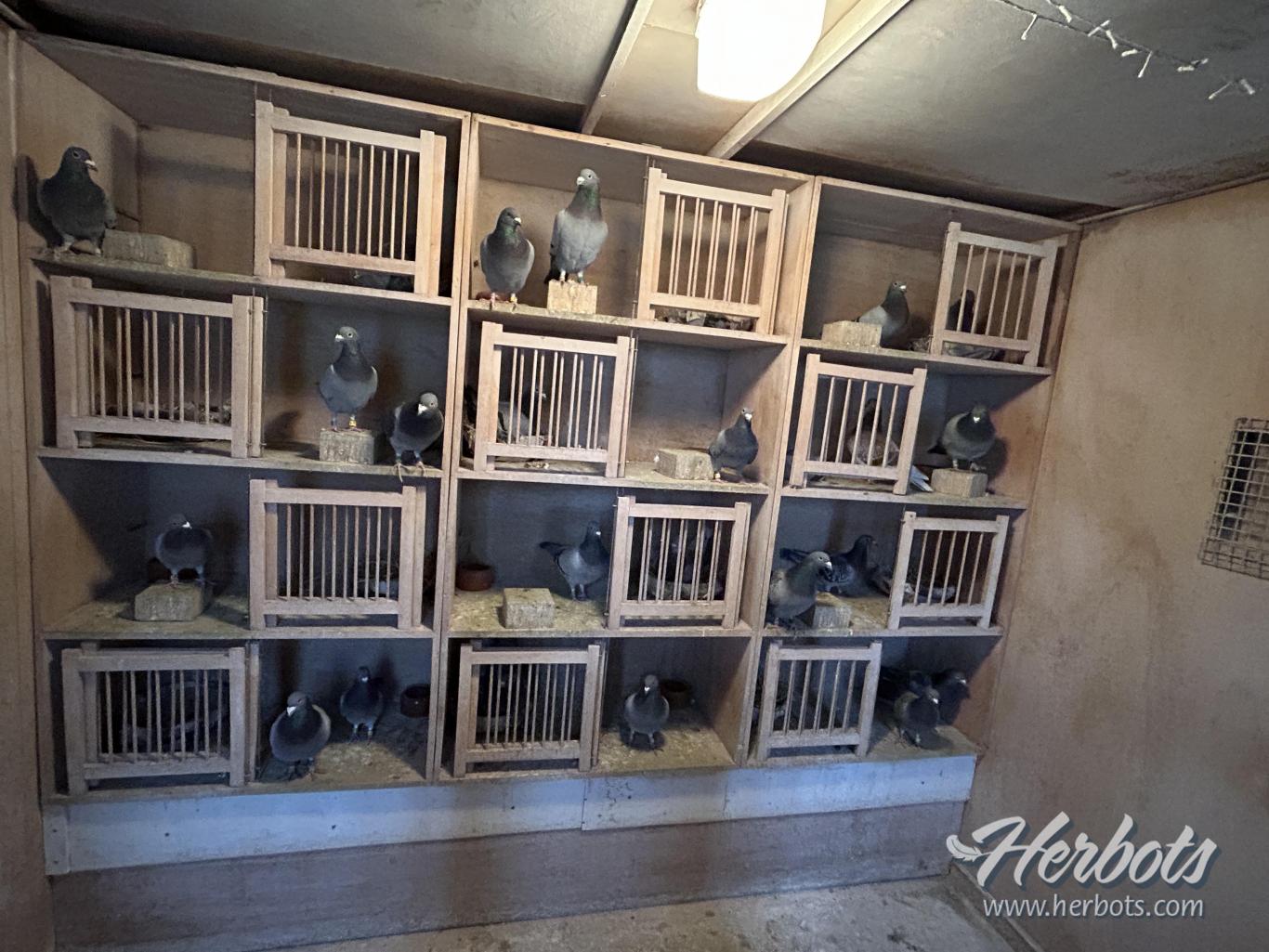
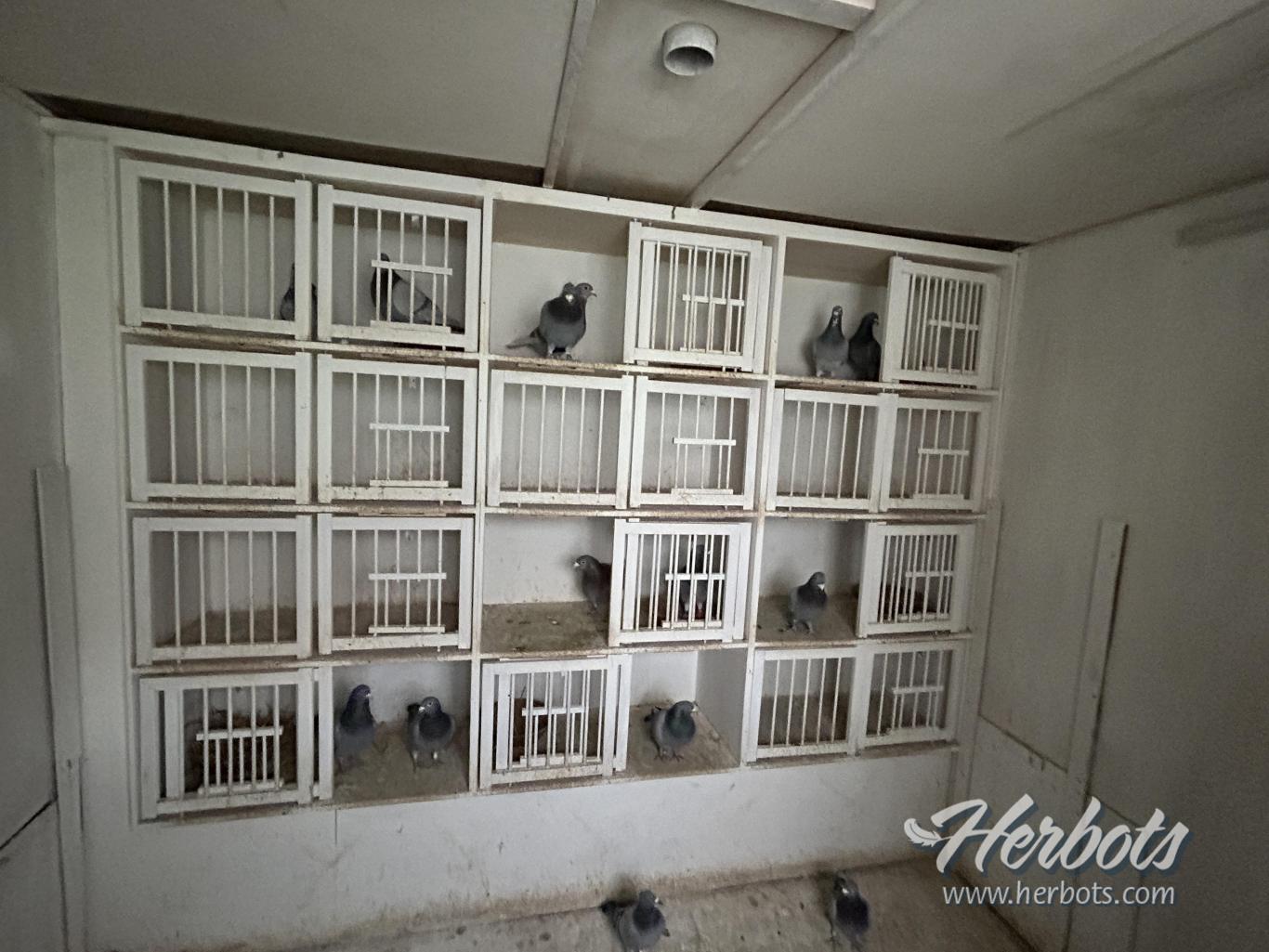
The breeding loft consists of 25 pairs, most of which are housed in Kris Slosse's loft in Rekkem, Belgium. Rekkem is just a few minutes' drive from Halluin. The breeders are paired in early December, and 80 young pigeons are raised annually. Currently, only the young cocks are used for racing. In 2026, Kris Slosse will take charge of the young pigeons in Halluin, allowing Georges Herman to fully focus on racing the yearlings and old birds. Georges Herman's racing team consists of 30 cocks (15 old birds and 15 yearlings) that are raced according to the traditional widowhood system.
Method and Care
The widowers are vaccinated annually against paramyxovirus and every two years against paratyphoid. The young pigeons are vaccinated against adenovirus. Medical care is provided entirely independently. Before the racing season, the pigeons are treated for two days against worms. A combined treatment against tricho/coccidiosis (Giantel Cocci-Tricho) is also administered, and if necessary, booster treatments are given during the racing season, during the rest week between two federation races. The lofts are practical, well-designed, and are cleaned by hand twice a day (no slatted floors or bedding). Outside the racing season, the pigeons are placed in outdoor aviaries, and the lofts are therefore empty. The 30 racing pigeons that stayed in the aviary after the racing season return to the racing loft in early December, are paired, and are allowed to brood for 10 days. After 10 days, the hen is removed, and the widowers return to the aviary, where they remain until the end of March. Then a second pairing takes place, also with a brooding period of 10 days. During this brooding period, the widowers' first training flight takes place, after which the hens are removed from the cocks upon their return. The racing pigeons do not raise their young; the eggs from the best pigeons are transferred to breeding pigeons. On basketing day, the widowers only receive a nest dish. The hen is never shown at basketing. On the day of the release for a national race, the hens are released from the aviary, allowed to circle the loft, and when they come back, they are half-closed in a box awaiting the arrival of their respective partners. After the race, they sometimes remain together until the following morning. In preparation for the five national races, the widowers fly two sprint races, followed by several middle-distance races. The young pigeons (all cocks – no hens) participate in three national races after their first training flights in the sprint and middle-distance: Bourges, La Souterraine, and Guéret.
Regarding nutrition, the racing pigeons are fed individually in their boxes. After each flight (morning and evening), they receive a tablespoon of mixture enriched with a pinch of small seeds (linseed, rapeseed, hemp seed, etc.). If the box is empty in the evening, Georges Herman adds a third of a tablespoon of grain mixture. He hates seeing empty boxes and wants his widowers to spend the week with sufficient food available. The pigeons receive minerals from the brand "Super Grit Mix Vanrobaeys" daily, and apple cider vinegar is occasionally mixed into their drinking water.
Upon returning from races, the pigeons receive a low-protein mixture (Vanrobaeys 29) for optimal recovery, followed by a special purification mixture (Vanrobaeys 14 – Contains more white dari, safflower, and smaller seeds than Purification) in the following days. The last three days before basketing, they are again fed low-protein sports feed (Vanrobaeys 29), with the last meal given an hour before basketing.
Regarding supplements: 'Belgasol' (a combination of electrolytes, vitamins, and trace elements) is mixed into the water the day before and on the day of basketing, as well as on the day of return from the race and the day after.
Georges Herman sets very high standards for selection. There are "only" 30 places for yearlings and old birds, and only the very best are allowed to stay. Because there are seven national races per year, pigeons must win at least five prizes in those seven races. Their ranking in the top results then gives them a chance to be retained. Therefore, securing a place in the racing loft is not easy, as Georges Herman is known not for his pedigrees, but for the results of his pigeons.
Georges Herman and Kris Slosse, congratulations on your brilliant results over the past few years. We'll undoubtedly hear more about this loft in 2026, given the quality of the pigeons we've handled.
Bernard Henry
UNIQUE OFFER
"Super Franky" is currently for sale on internetauction Pigeon Bids January 2026 as lot 1.