Team Baetens (St. Niklaas): 1st National Limoges 9,067 old birds
01 Jun 2026
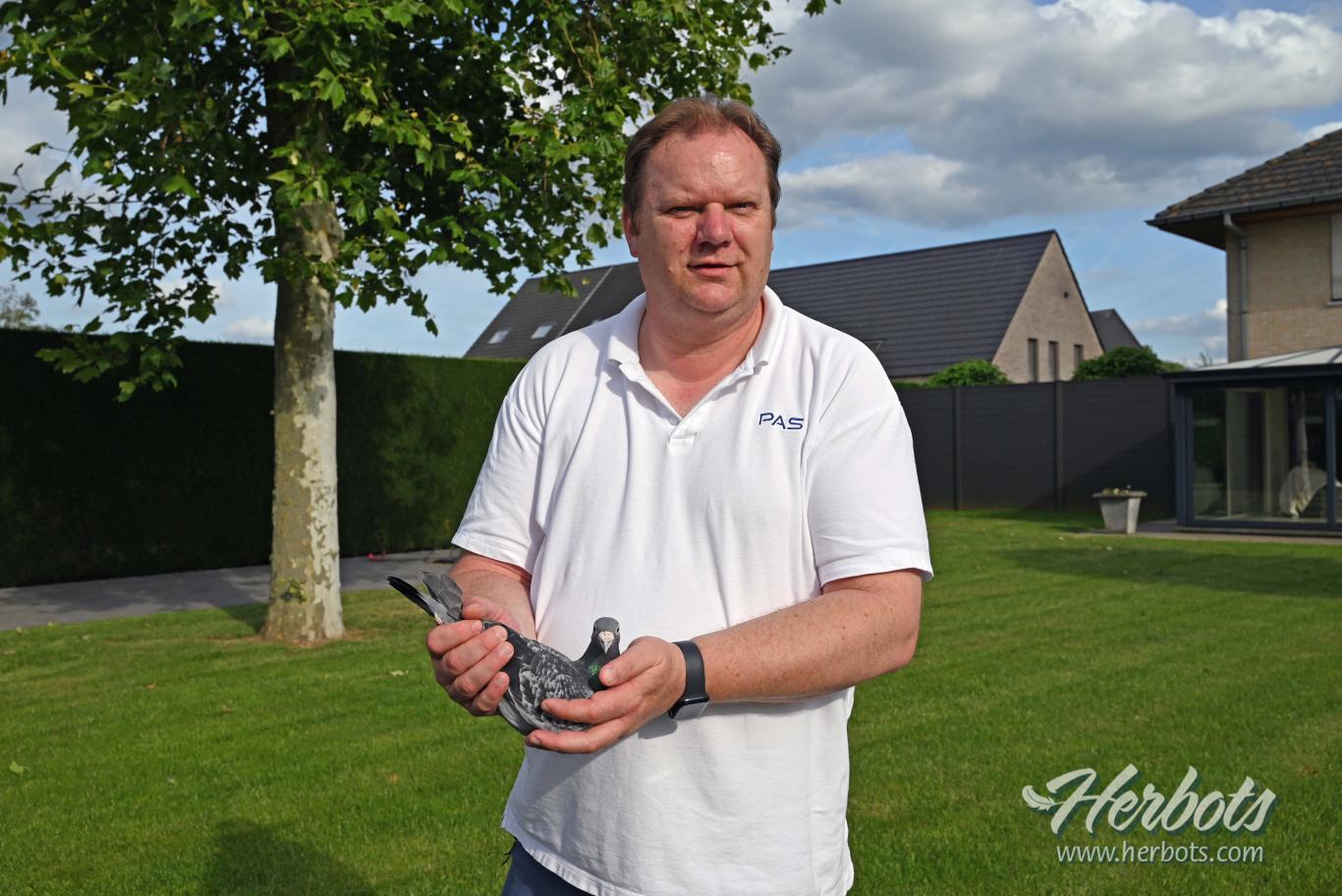
Things are moving fast at the Baetens Ivan loft in Sint-Niklaas. According to me, Ivan has opened a can of national victories, because since 2023 no fewer than seven national wins have already been achieved. Add to this the following top performances achieved during the 2025 season, and any further explanation becomes completely unnecessary:
- 1st Belgian Olympiad Pigeon Category B – Middle Distance
- 1st Belgian Olympiad Pigeon Category I – Long Distance – Yearling
- 1st National KBDB Ace Pigeon Long Distance Old Birds
- 1st World Best Pigeon – Best of the World
- 2nd National KBDB Ace Pigeon Great Middle Distance Old Birds
- 3rd National KBDB Ace Pigeon Great Middle Distance Old Birds
- 3rd National Champion Long Distance Yearlings
- 4th National Champion Long Distance Old Birds
- 5th National KBDB Ace Pigeon Great Middle Distance Yearlings
This can only be the result of pure class, combined with a focused approach and top-level management.
With a Cock
And in 2026, the winning streak is still very much alive. The results of the first national long-distance race of the 2026 season have only just arrived in our mailbox, and once again the name Team Baetens is at the very top.
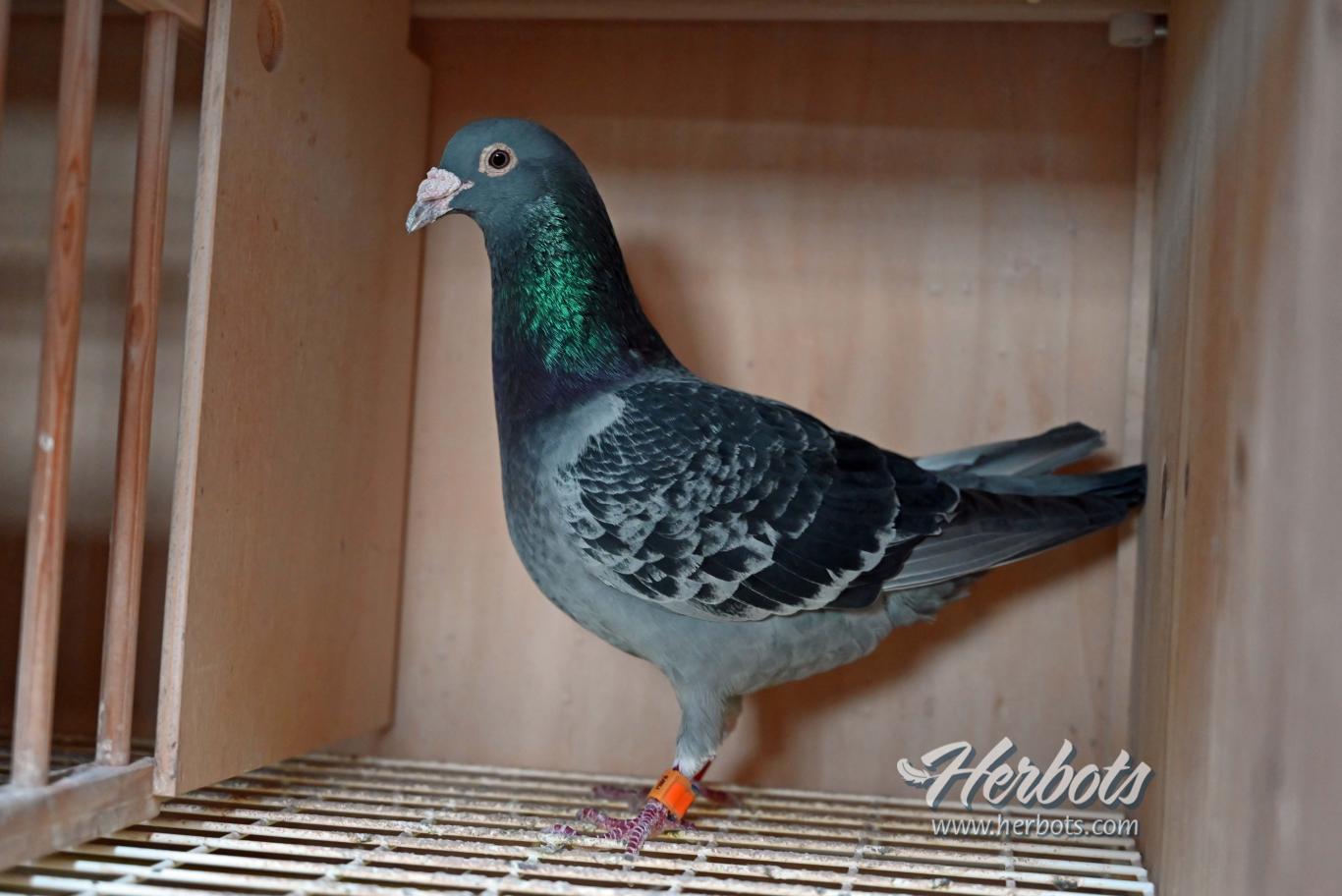
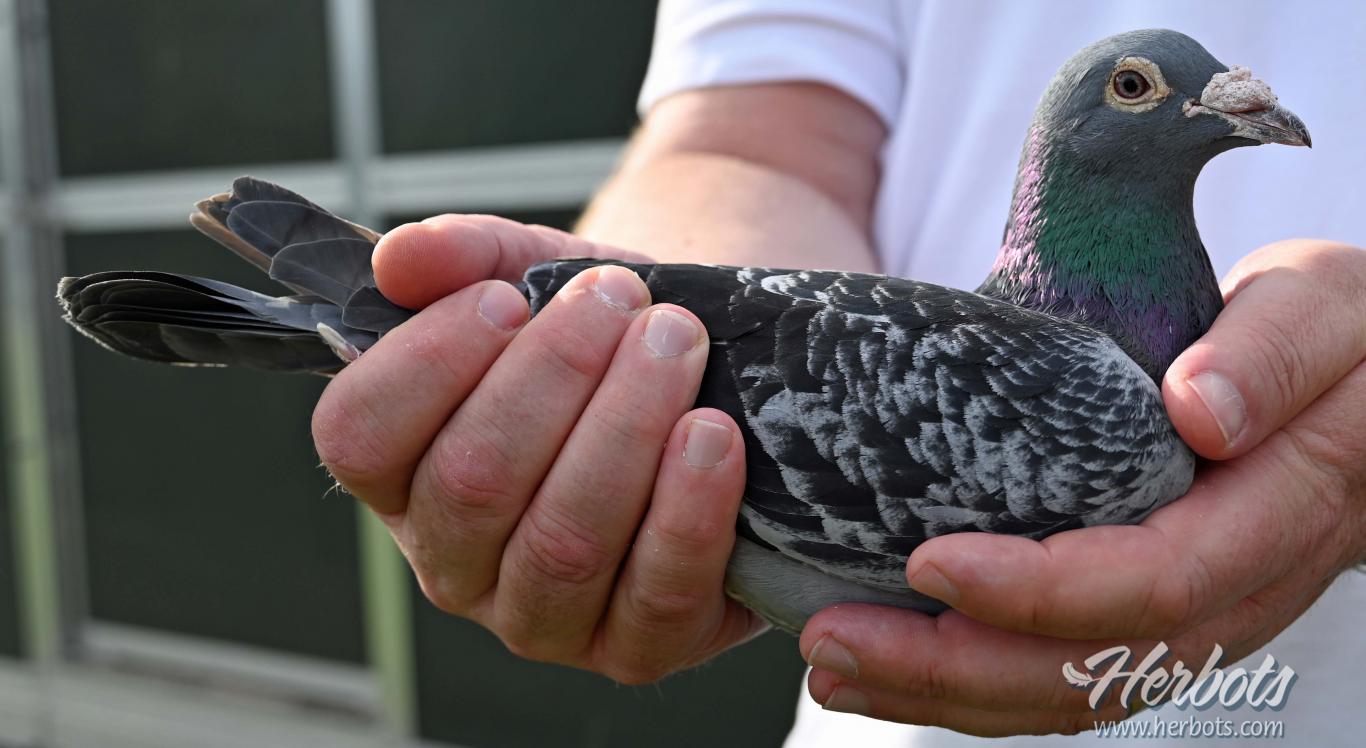
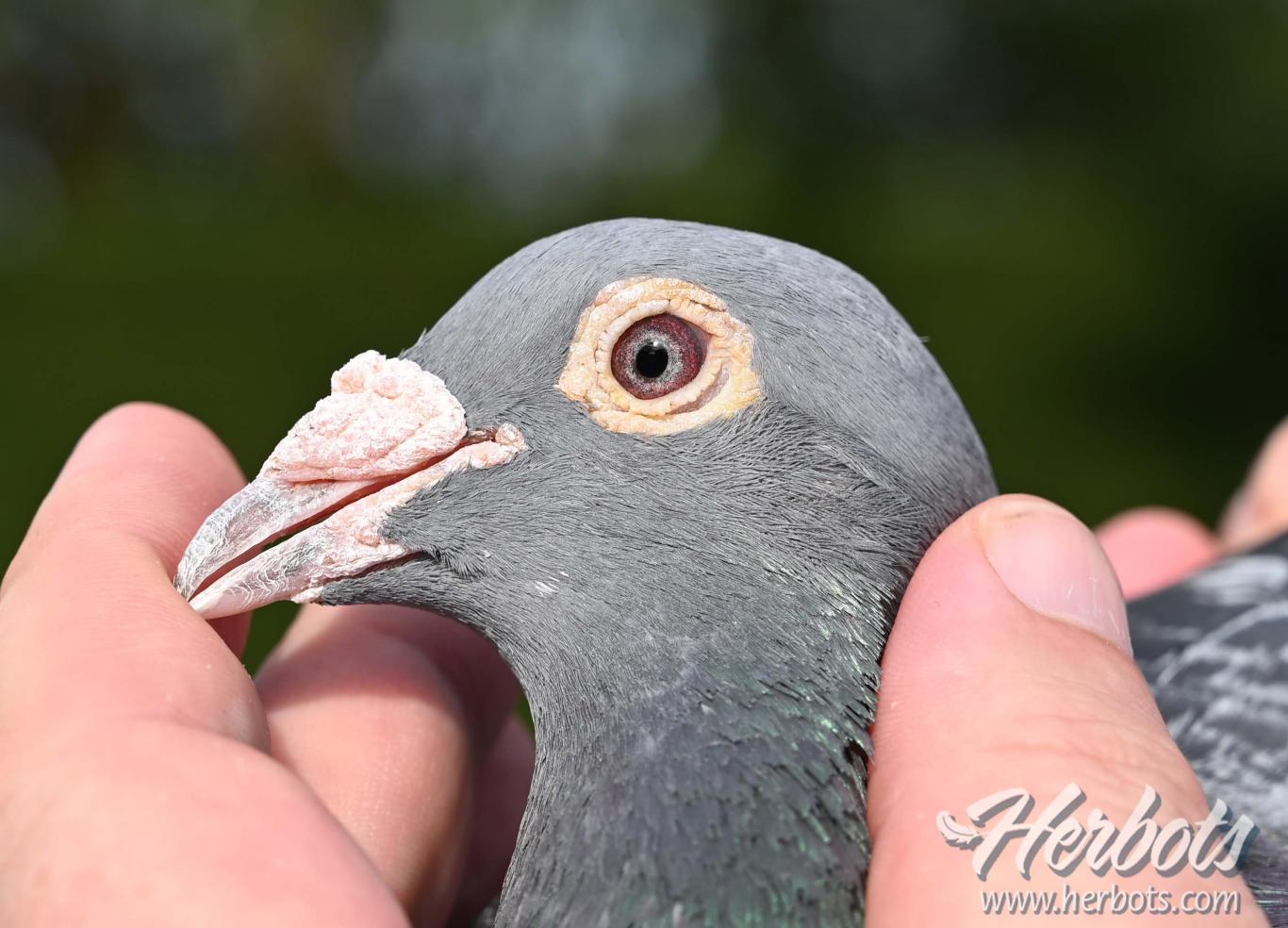
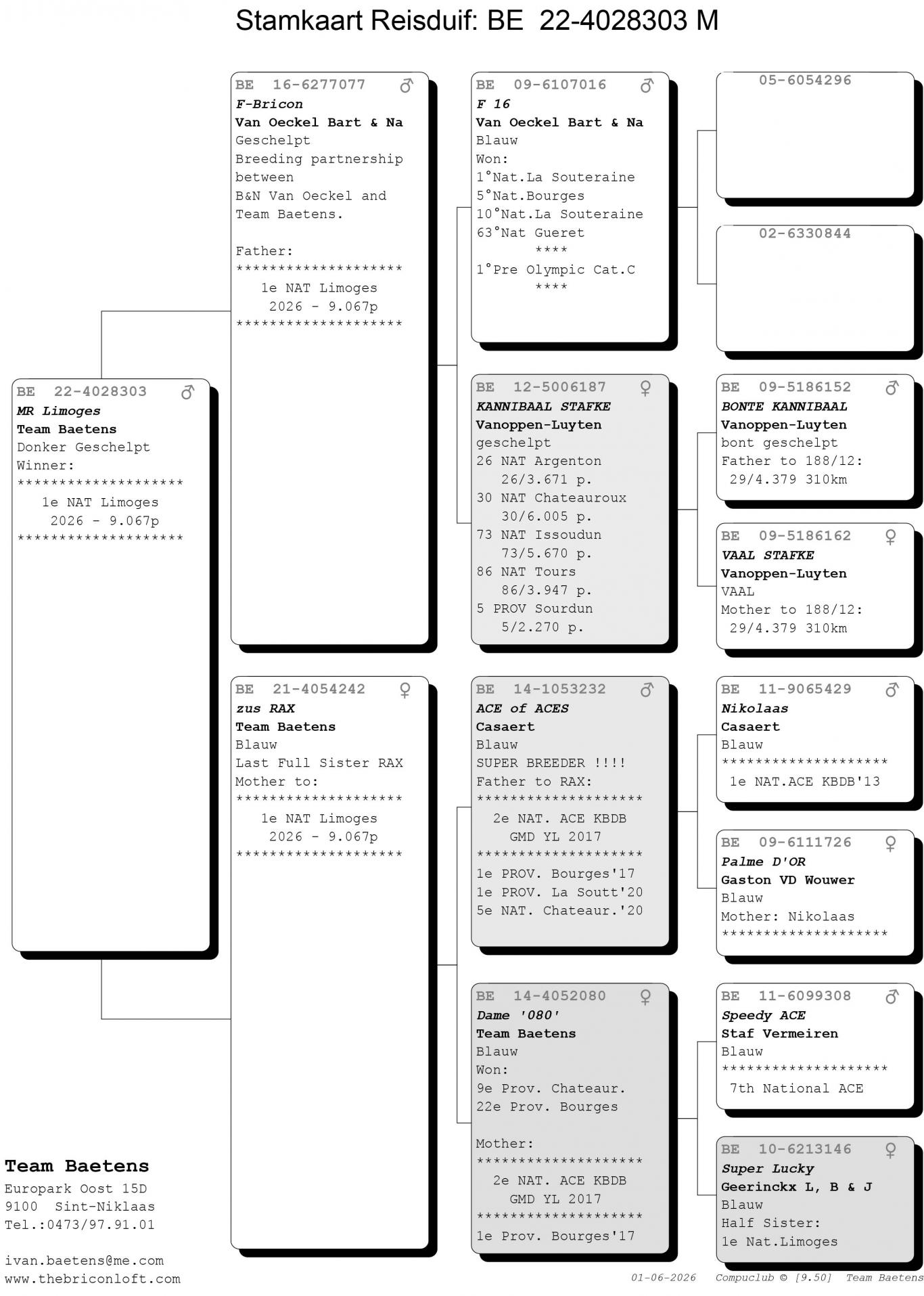
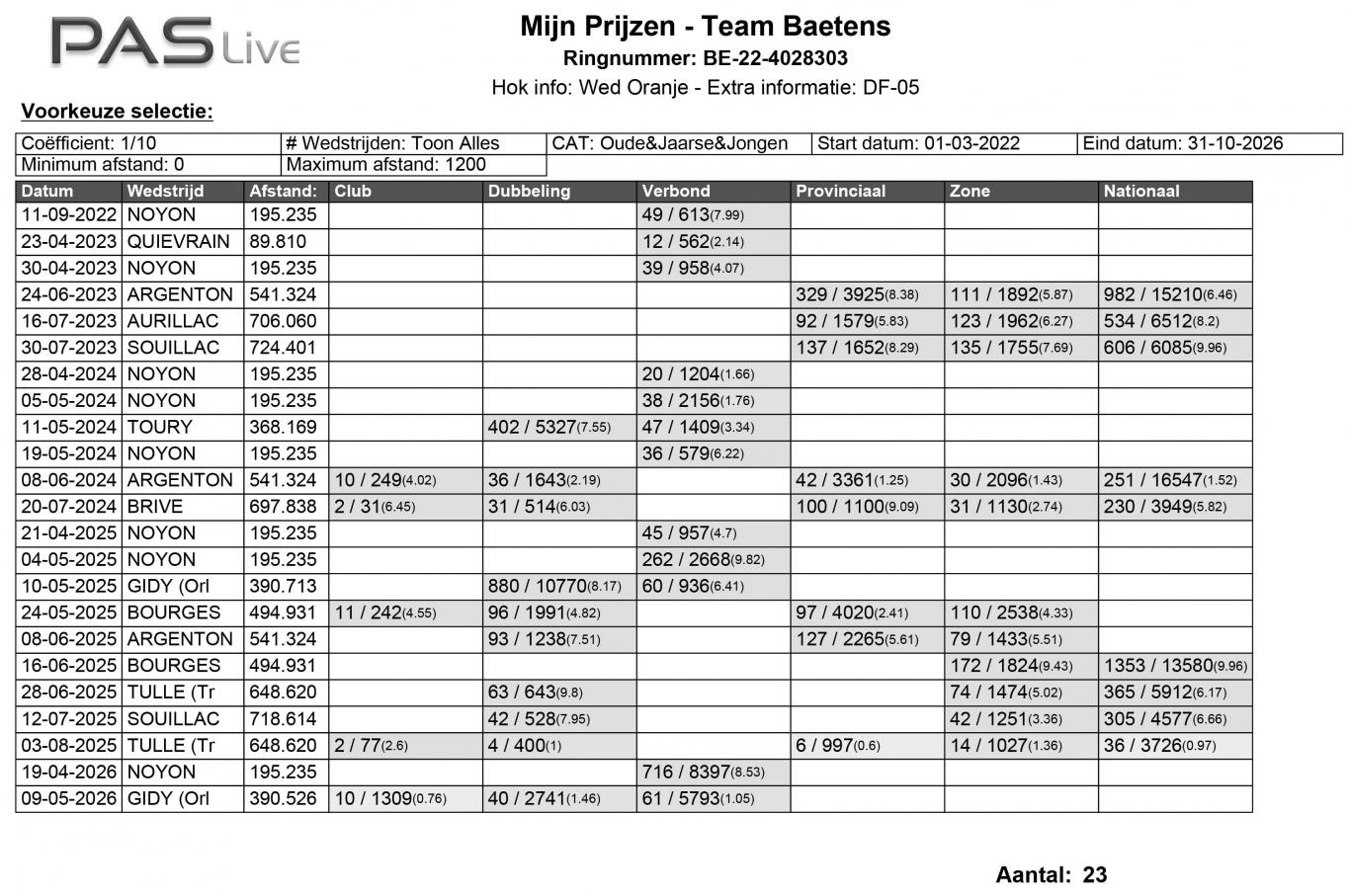
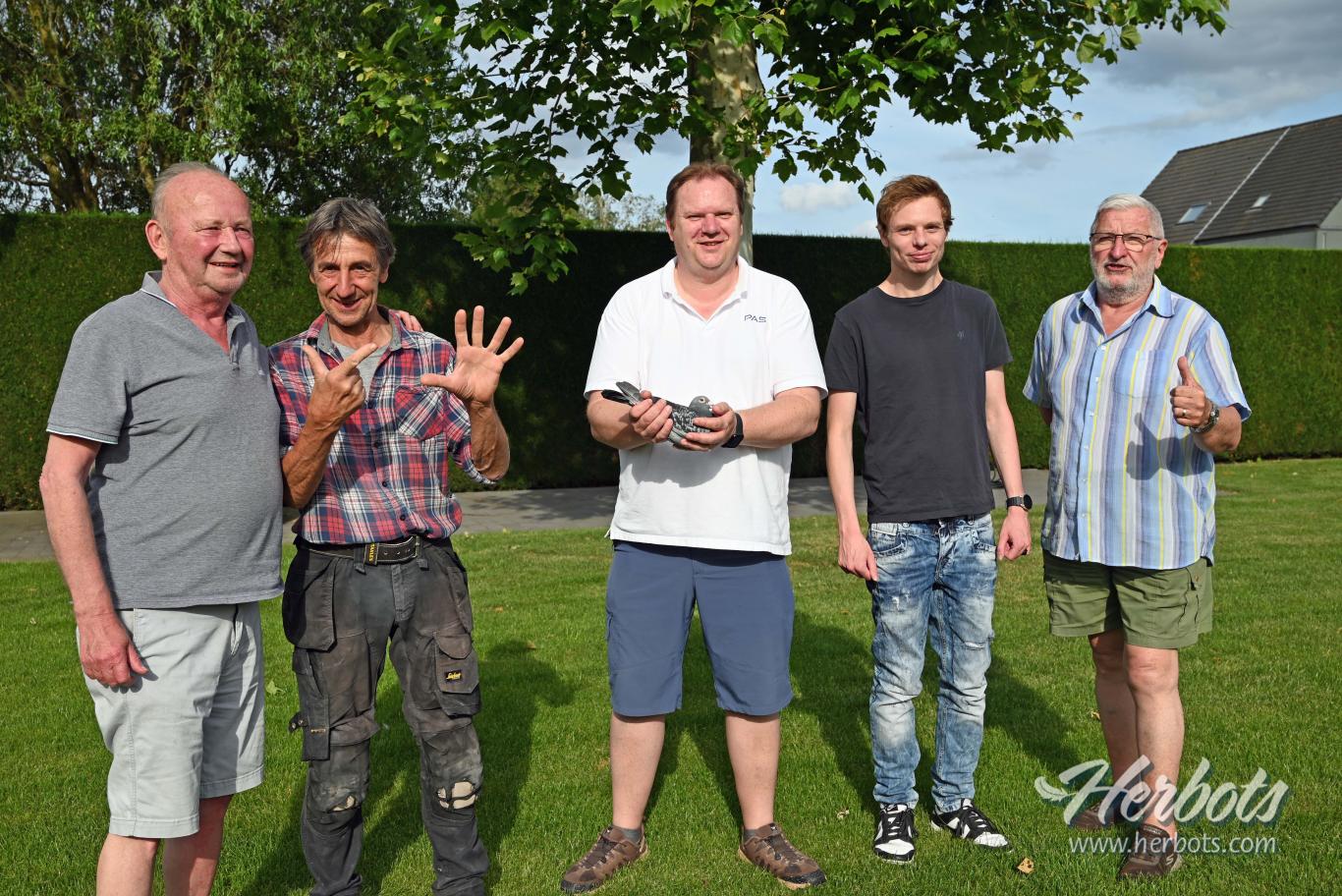
This time it is the cock “Mr. Limoges” (B22-4028303) who left all competing Limoges racers trailing behind. As the only pigeon among more than 9,000 participating birds, he achieved a speed exceeding 1,400 meters per minute.
"He must have had the race of his life, and not a single extra wingbeat was too much for him," says Ivan. "Can you believe that I was only expecting the pigeons around 4:50 p.m., and I was more than surprised when ‘Mr. Limoges’ was already clocked at 4:39 p.m.? At first, I thought it was a late arrival from Châteauroux, but it was actually one from Limoges. I can assure you... your heart rate immediately shoots up."
Since a cock won the national victory, we asked Ivan to explain a little more about his system with the cocks.
The Preparation
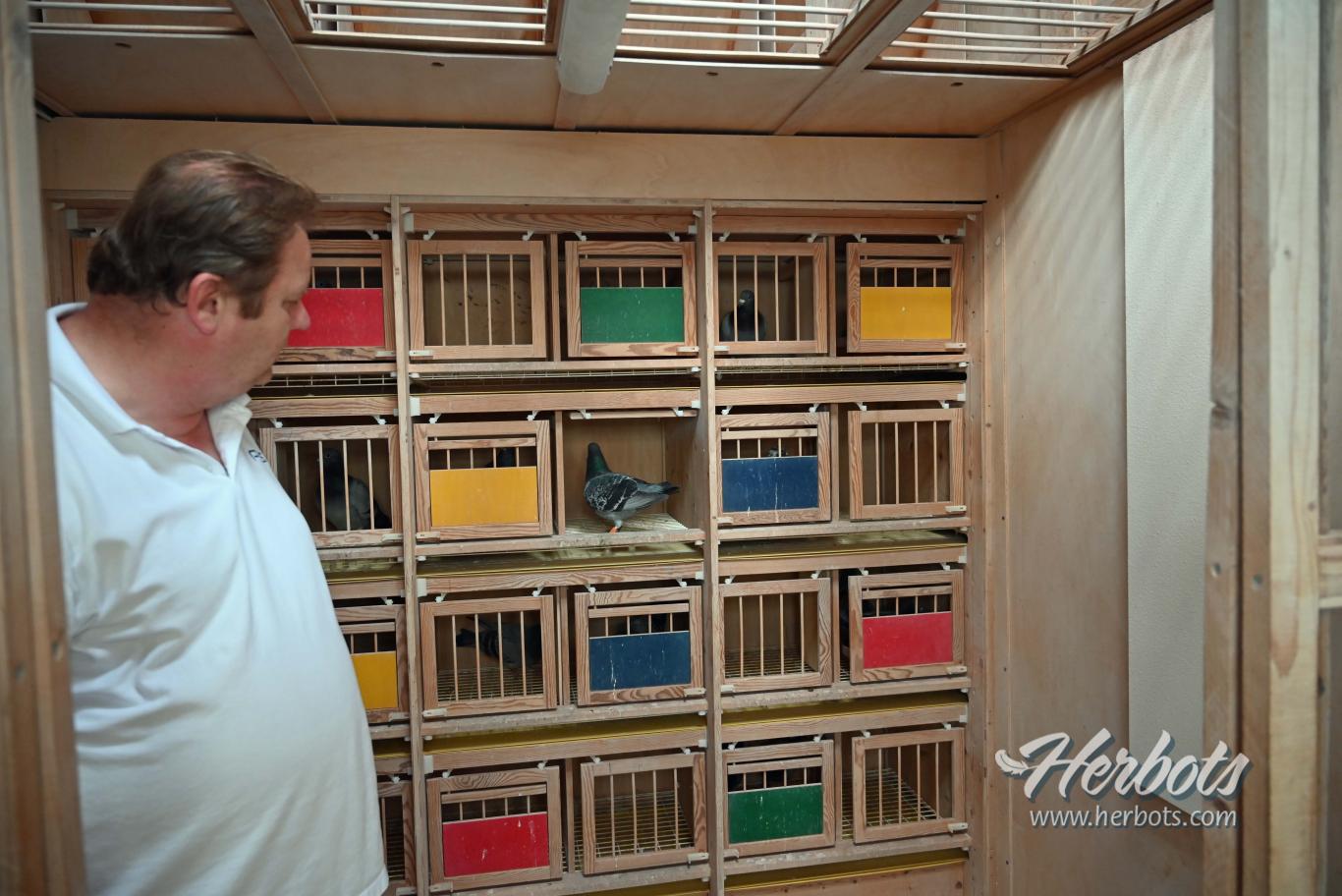
Ivan: "At the beginning of December, they were paired at the same time as the breeding pigeons and, as you may have guessed, the breeders’ eggs were placed under the racing cocks whenever the timing allowed. For this reason, the widowers and their hens were given the same lighting program as the breeders so that both groups would lay at the same time. Only the best widowers are allowed to rear their own youngsters. Once the youngsters were around 20 days old, both the youngsters and the hens were removed from the widowers’ loft, and the cocks moved to the adjoining aviary. Thanks to the wire mesh, the cocks remain protected day and night. During this period, they received clean water and a feed consisting of 50% Gerry Plus I.C. and 50% depurative mixture. In mid-February, the widowers returned to their loft and began their first training sessions around the loft. Their menu was changed to 100% Gerry Plus I.C."
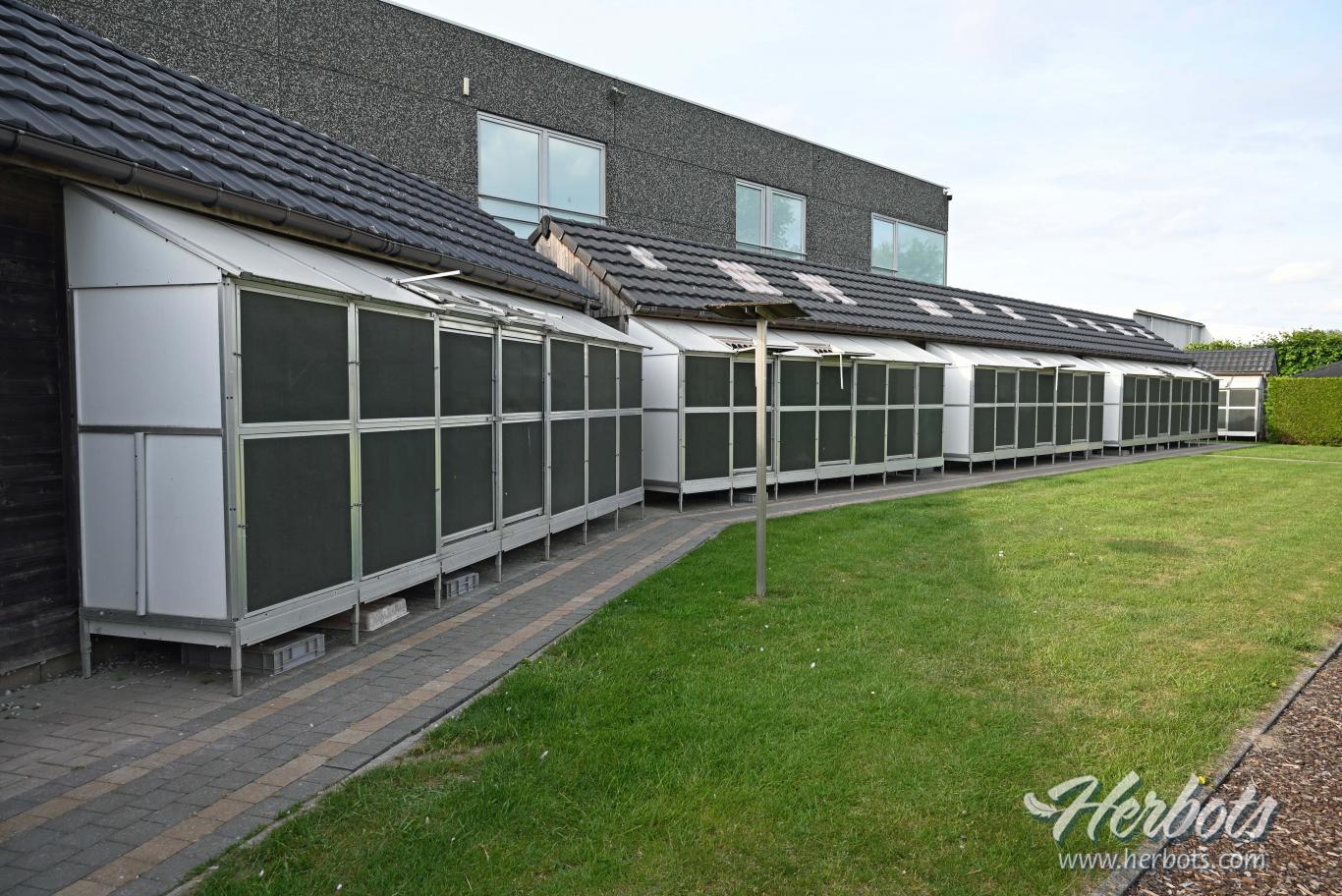
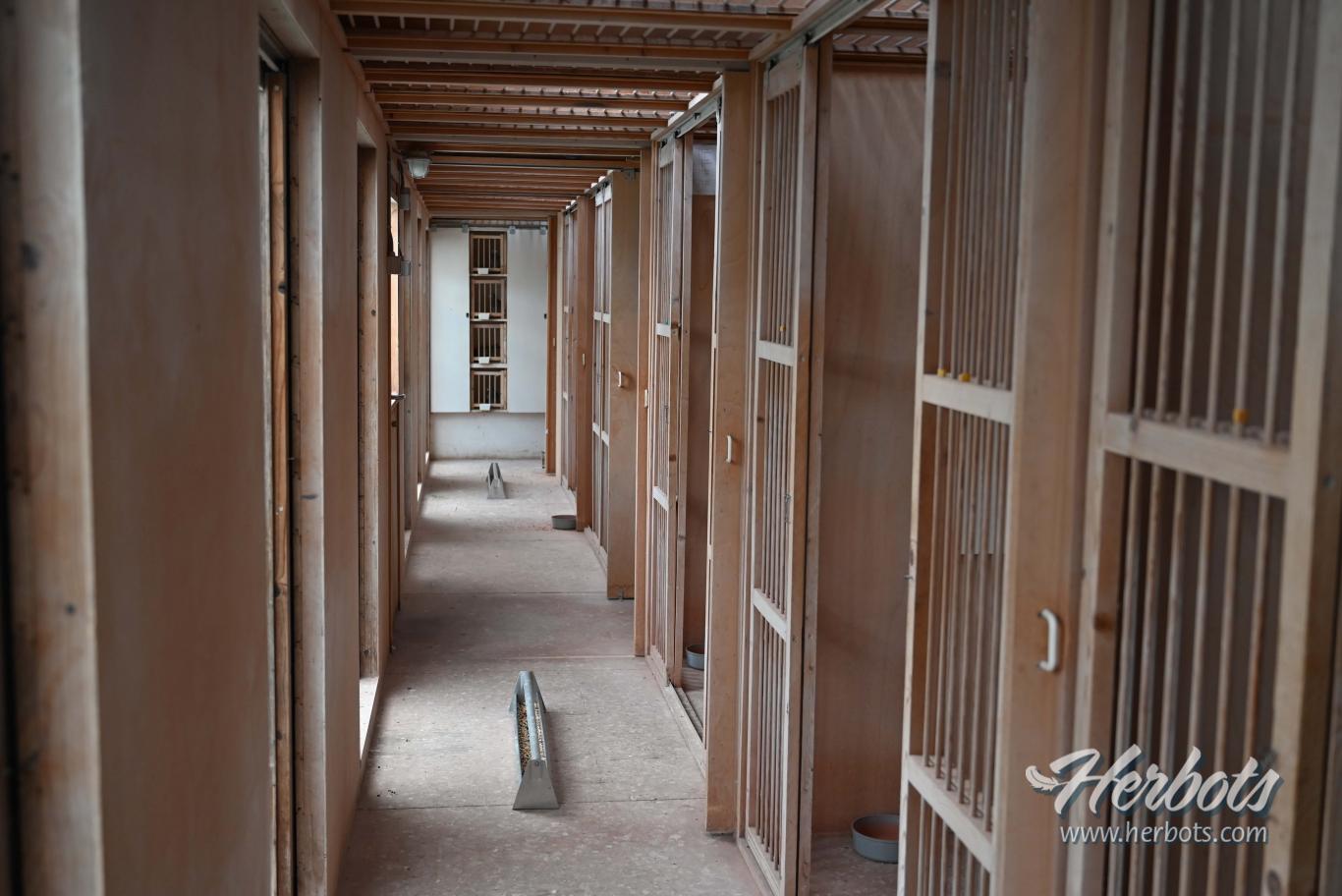
"On March 11, they were paired again and remained together for four days. On March 18, they received a six-day trichomoniasis treatment through the drinking water. At the end of March, they were treated against paratyphoid. Before the start of the season, no treatment is given against ornithosis unless the veterinarian advises otherwise. Veterinarian Ruben Lanckriet visits one week and veterinarian Wim Boddaert the next week to check the pigeons. If either of them notices something wrong, treatment is administered after consultation. The old and yearling widowers are housed in one long loft with four sections. The widowers are not darkened before the season. When the weather is good, the first training tosses take place. Starting with Quiévrain (90 km), they continue via two races from Noyon (195 km), one from Écouen, one from Valpuiseaux, one from Orléans, and then to Vierzon. No cocks were entered for Bourges. They stayed home and received a four-day treatment against ornithosis."
During the Season
"Upon returning home, recovery is immediately the main focus. We work extensively with the supplements developed by veterinarian Ruben Lanckriet. Upon arrival home (Saturday), recovery powder is added to the feed. Various sugars and BS (Belgica-De Weerd) are added to the drinking water. The first meal after returning home consists entirely of Champion Plus I.C. On Sunday, ‘Aminobolic Force’ (Oropharma) is provided. From Sunday onward, the birds receive 100% Gerry Plus I.C. Only during the last five feedings before basketing are they fed 100% Champion Plus I.C. This mixture is enriched with peanuts, hulled sunflower seeds, candy mix, Energy Plus I.C., and more. The widowers train twice a day and are fed twice a day. Feeding and watering are done communally. Before basketing, the partner is always shown briefly. For Limoges, however, this was extended to 30 minutes."
Ivan adds:"Apparently, ‘Mr. Limoges’ must have been exceptionally motivated for some reason, because when I take him in hand now, he spontaneously starts calling to his hen, something he never did before."
Ivan, congratulations from the entire Herbots team, and on to national victory number eight!
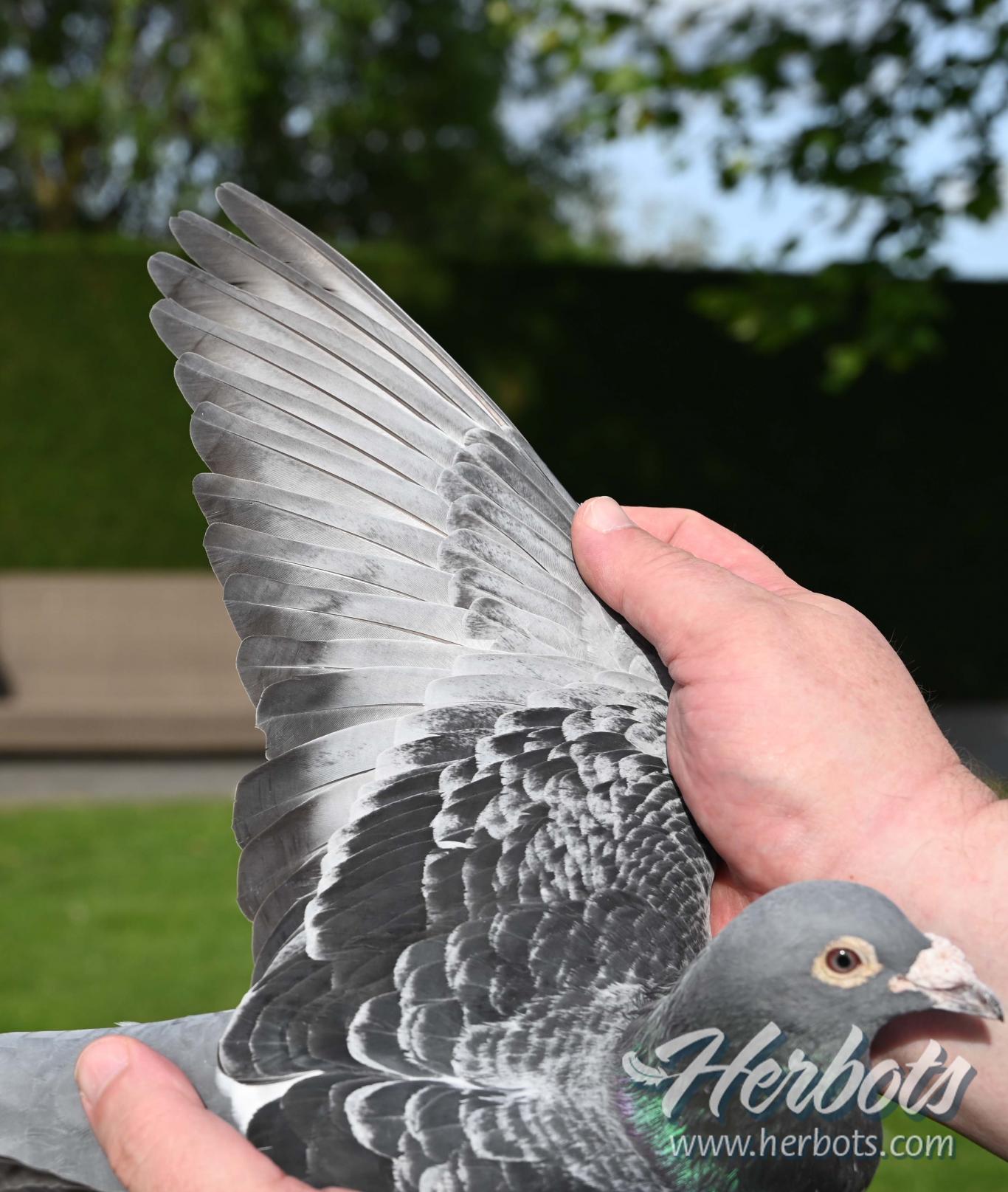
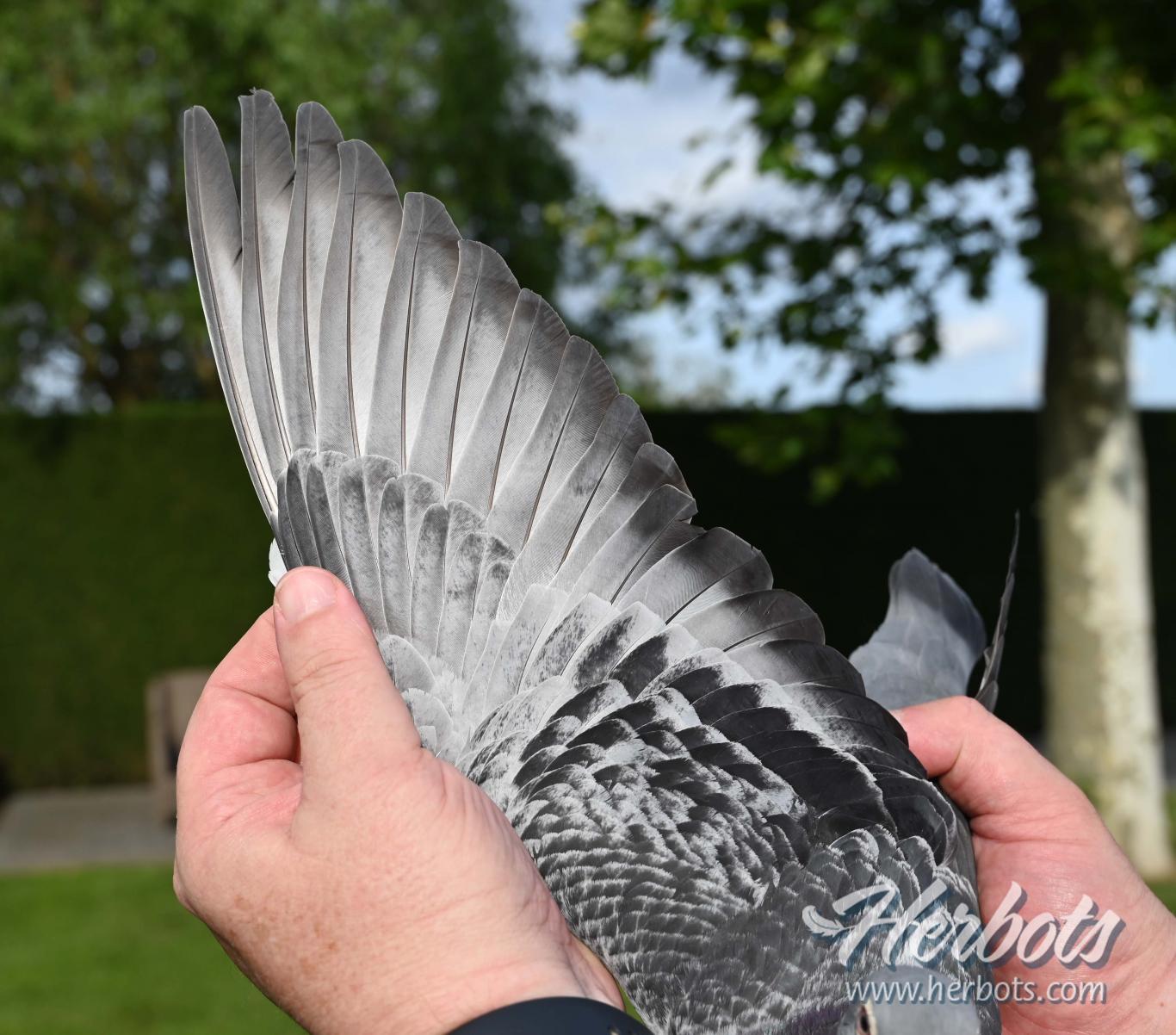
"Mr. Limoges"
BE22-4028303
1st National Limoges 9,067 old birds
Distance: 661km
Velocity: 1,403 m/m
Stefan Mertens