Eddy Anckaert (Grimminge) 1st Provincial Sancoins Old Birds (East Flanders)
10 Jul 2026
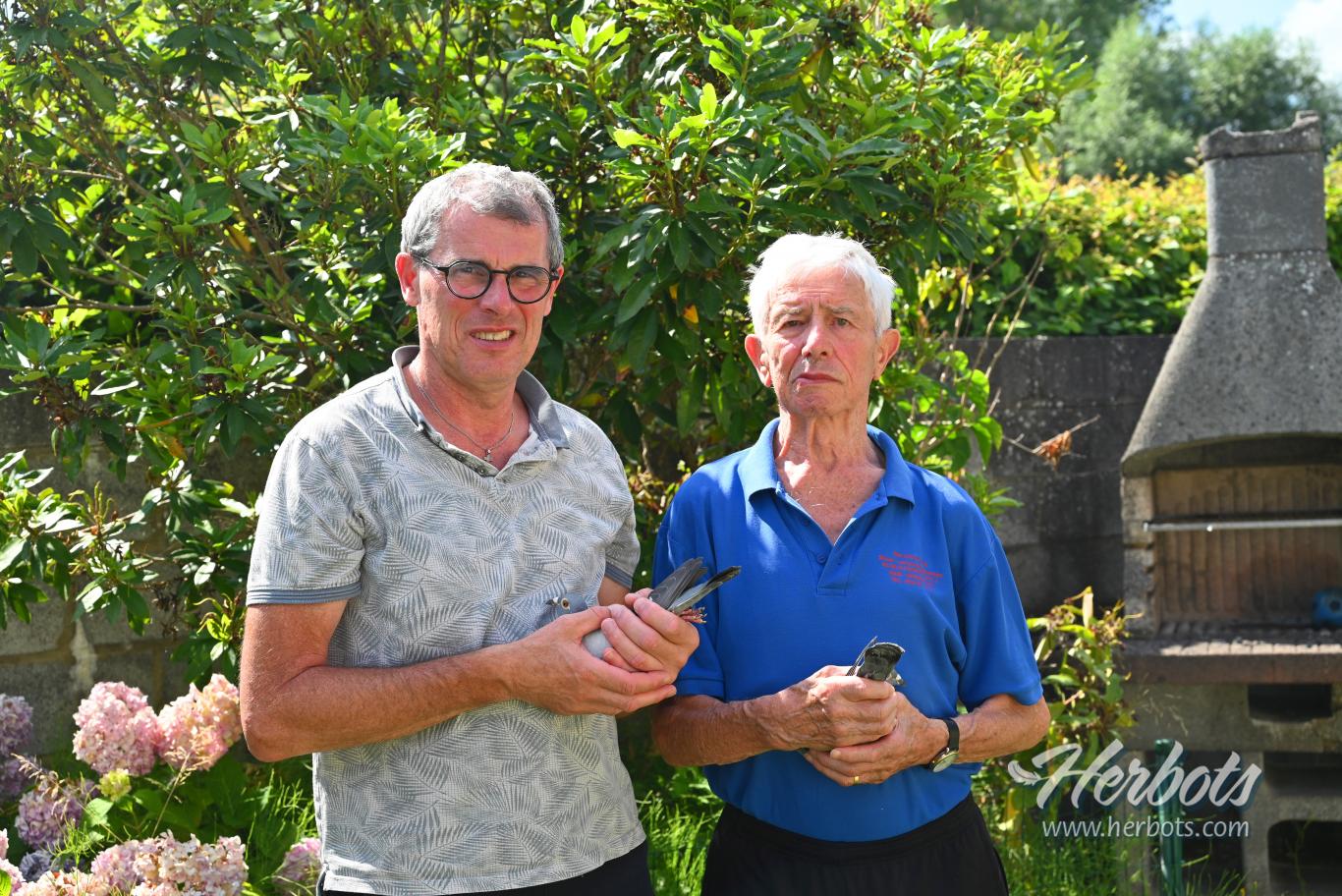
A total of 1,961 old birds were basketed for the national race from Sancoins, and the fastest pigeon in this category was clocked in Grimminge (a district of Geraardsbergen) by Eddy Anckaert and his son Bart. Anyone who follows pigeon racing in East Flanders will certainly recognize the name Anckaert, as they regularly add provincial victories to their impressive record. Last year, they won 1st Provincial Bourges Yearlings (also the fastest of 7,172 pigeons) with their hen BE24-4000150. Incidentally, in 2026, the "150" also won 3rd Provincial La Châtre (171st National) and 26th Provincial Argenton on four national races.
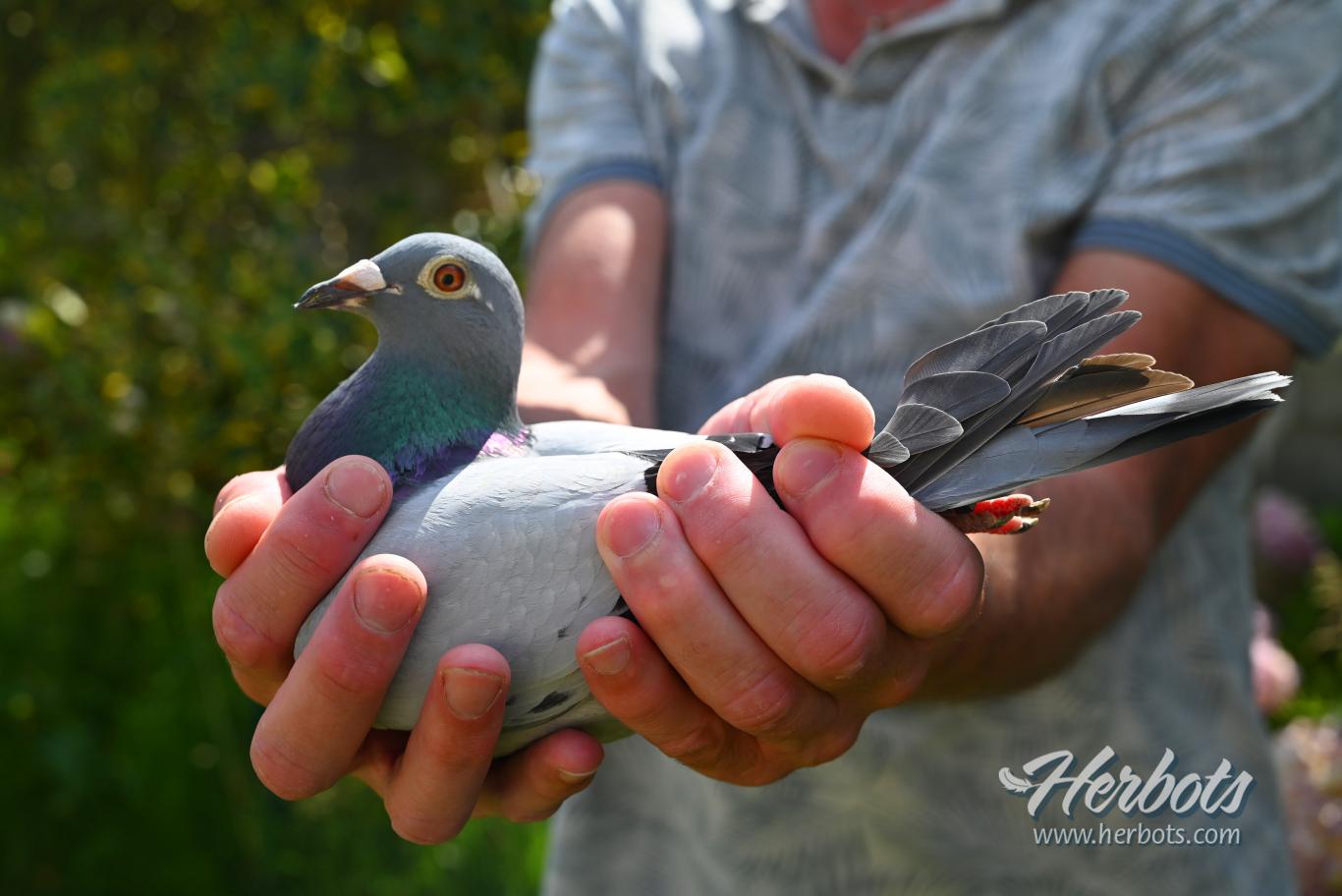
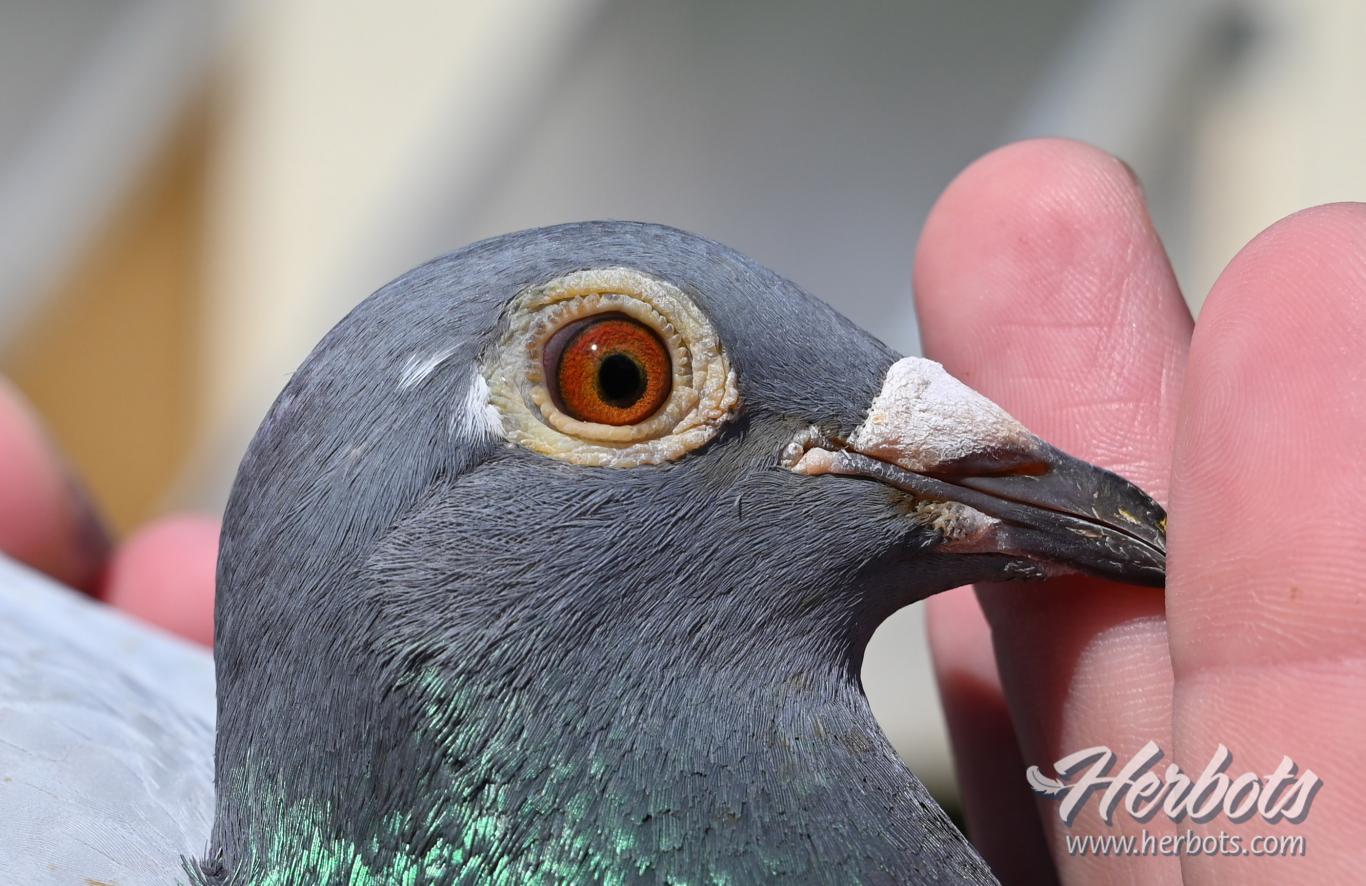
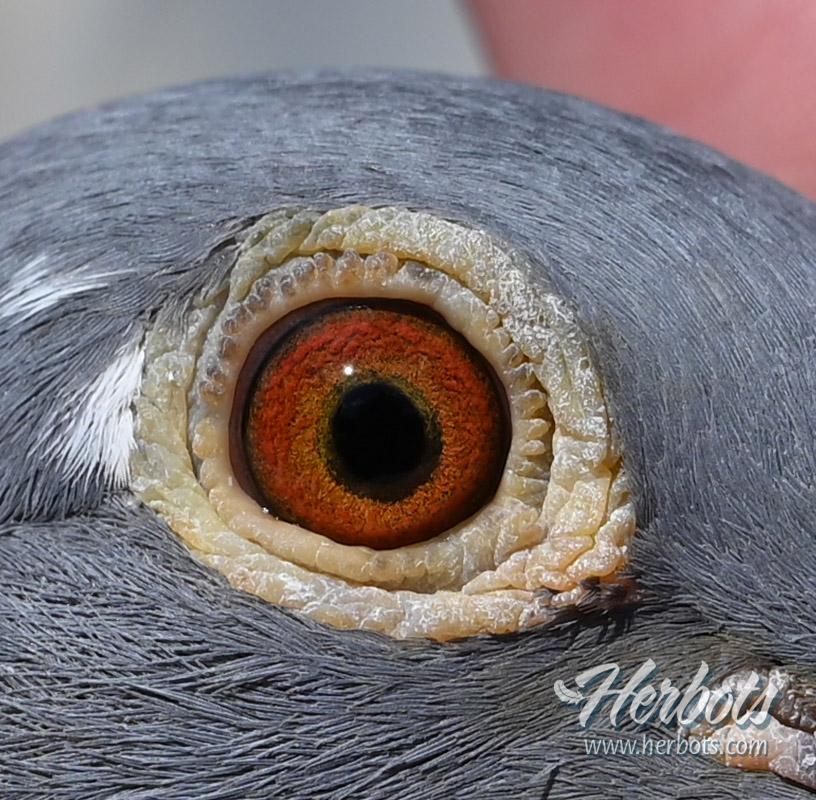
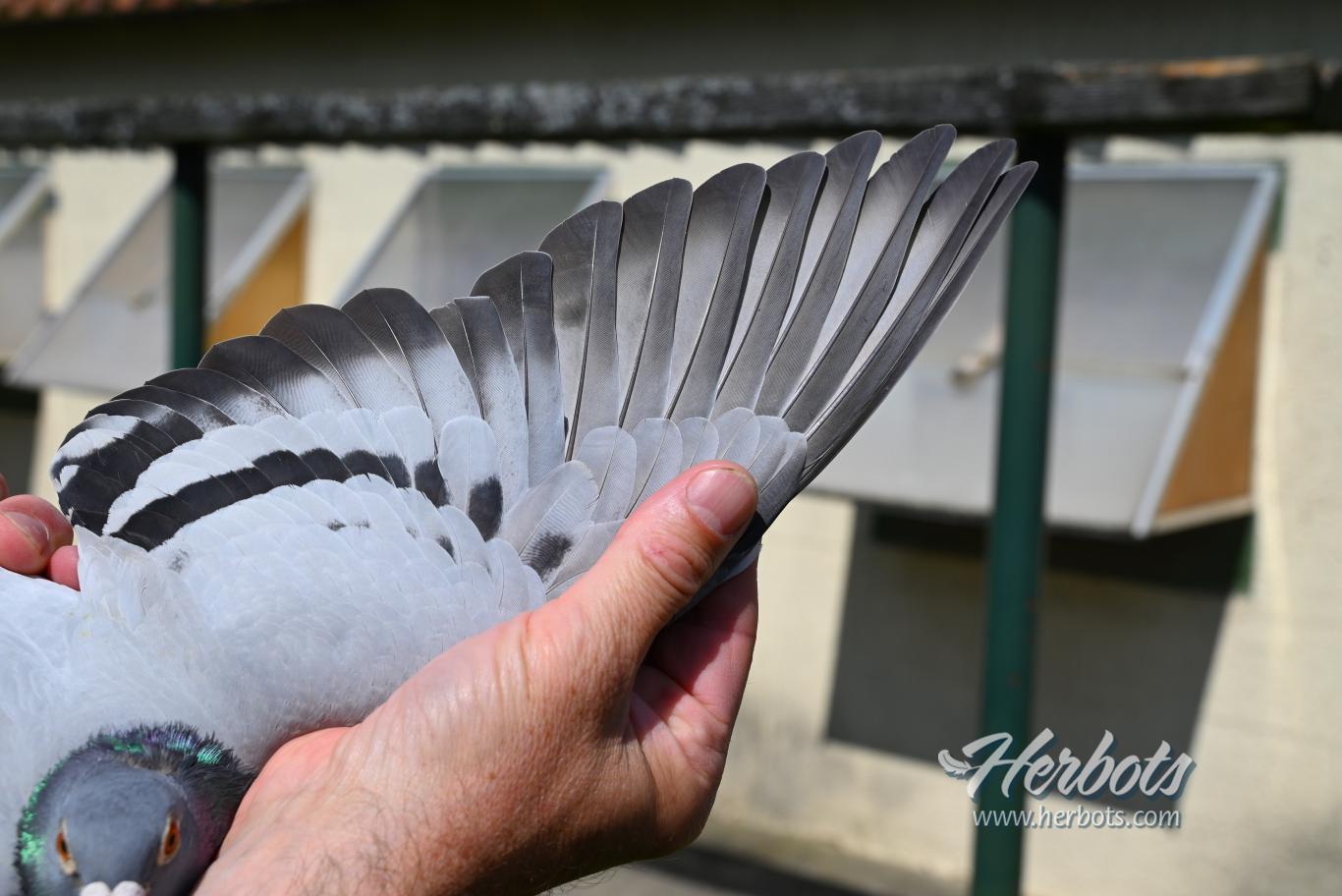
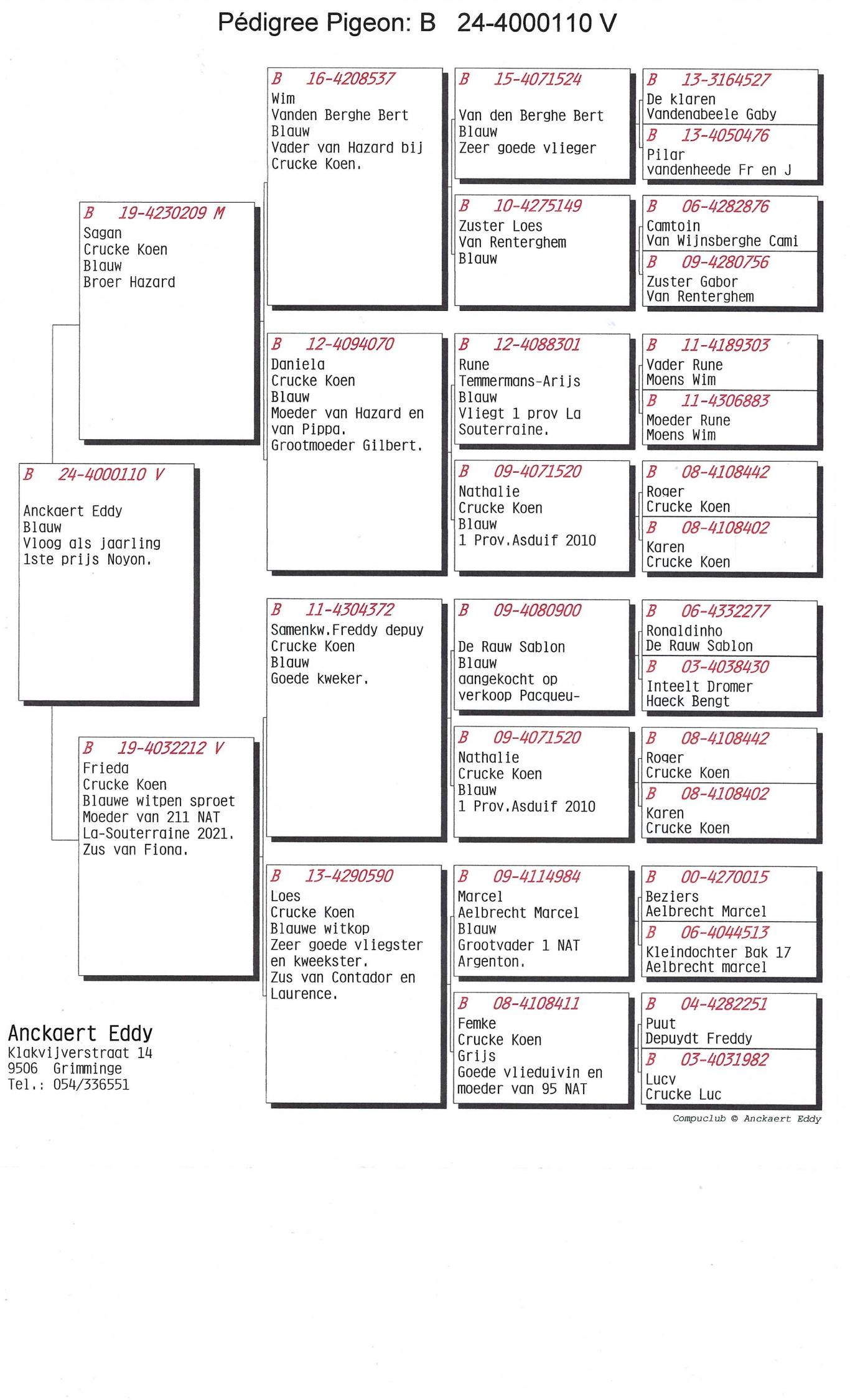
At Sancoins, it was hen B24-4000110 that stole the show. "As a young bird," Bart explains, "she won a 1st and a 4th prize from Noyon, but as a yearling she only just made the selection for our 2026 racing team. To be honest, she didn't start the season well at all until she was given a new partner about three weeks ago. Suddenly, she started appearing at the very top of the result sheets. She won her last three races as follows:
- 2nd Argenton local – 11th Provincial and 184th National
- 6th La Châtre local – 91st Provincial
- 1st Sancoins local – 1st Provincial Sancoins and 135th National
This provincial winner is bred from two original Koen Crucke pigeons.
Total Widowhood
Due to a lack of time, Eddy and Bart had always been reluctant to start racing hens as well, but in 2025 they finally took the plunge. And those hens certainly did not disappoint.
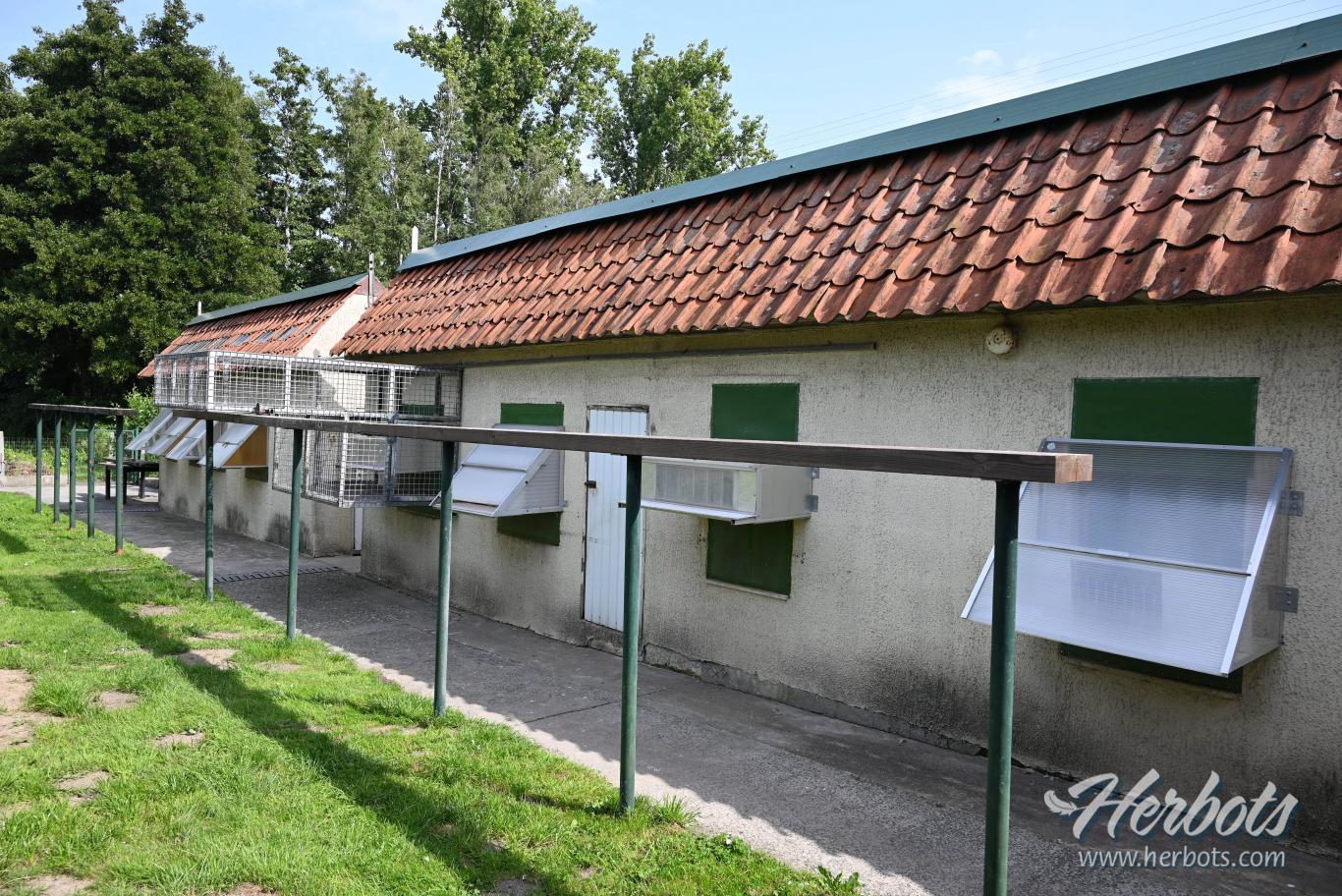
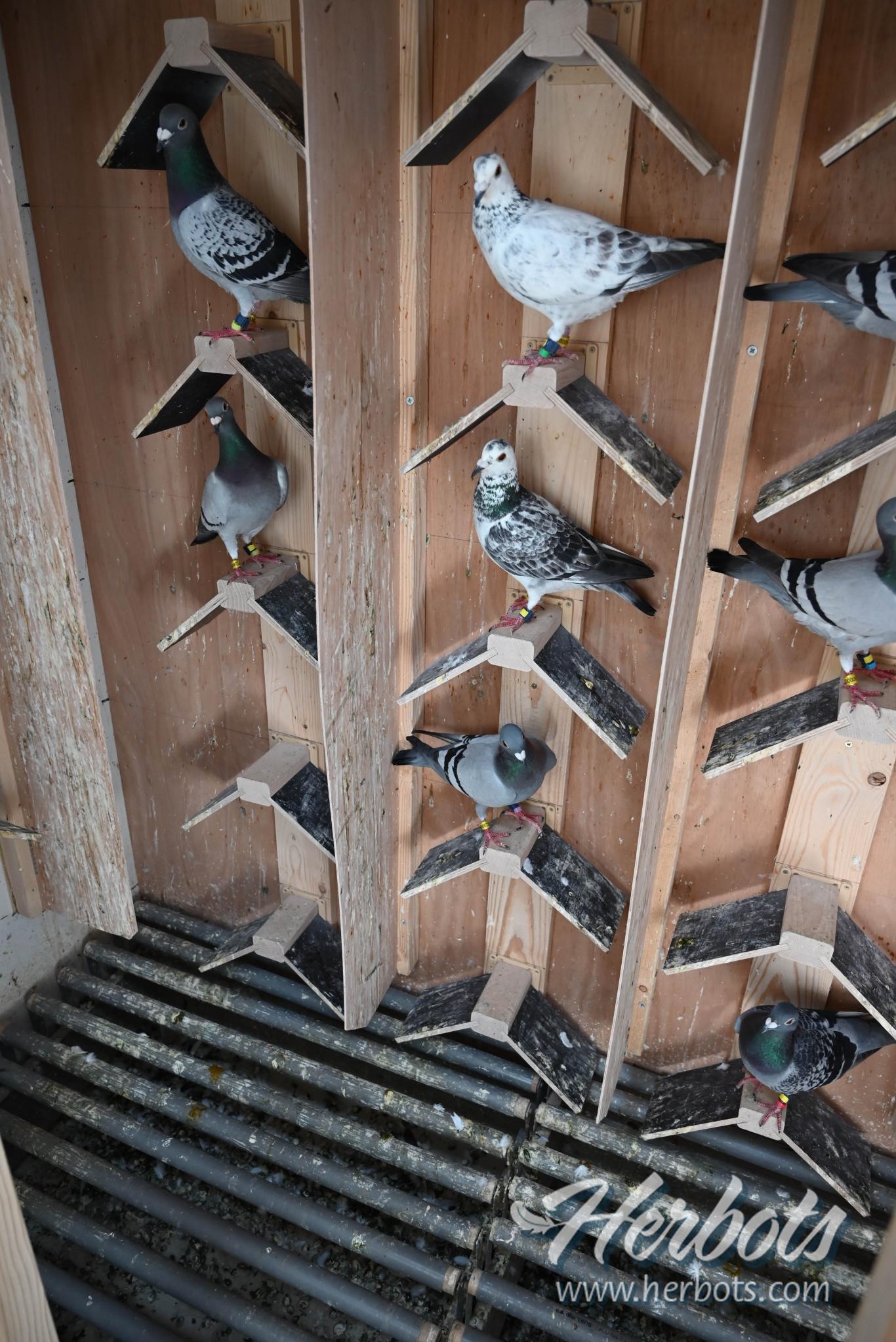
Bart explains: "In fact, we race on the total widowhood system. The cocks and hens are housed next to each other, but to prevent the hens from pairing with one another, we created a special hens' section. The hens each have their own individual perch with a divider between them so they cannot see each other. Rollers have been installed on the floor to prevent them from sitting there, and around the drinker there are only two perching places.
At the start of the season we had 32 hens (12 old birds and 20 yearlings). They were all paired early for breeding. After rearing their youngsters and before they laid a second round of eggs, they were moved to the hens' section, where they also stayed throughout the training period. They were not paired again before the start of the racing season.
I take care of the old and yearling birds in the evening. Around 4:30 p.m. the cocks are released for training and after about 30 minutes of flying they are called inside. At 5:45 p.m. it is the hens' turn. They usually train with much more enthusiasm and determination, flying for a full 45 minutes. If the pigeons landed on the roof too quickly, we raised the flag and they knew they had to keep flying. Since many fanciers also toss their hens during the week, I decided to do the same. Besides their daily loft training, I took them for a training toss once or twice a week (Wednesday and/or Thursday). As a reward and extra motivation, the hens were then allowed into the cocks' loft, although without actually seeing the cocks."
Management
From a veterinary point of view, we visited veterinarian Wim Boddaert before the breeding season and again before the racing season. During the season, treatments are given based on our own observations and judgement. The feed comes from Beyers, with the IPAC mixtures forming the basis of the feeding programme. As for supplements, we are firm believers in the Röhnfried range.
Top 25 Placings – Local Results – National Races 2026
Bourges – 426 old birds: 6-8-11-12-16-21 etc.
Bourges – 410 yearlings: 1-2-15-22 etc.
Argenton – 308 old birds: 2-3-6-19-25 etc.
Argenton – 376 yearlings: 11-22 etc.
La Châtre – 166 old birds: 1-5-6-17 etc.
La Châtre – 288 yearlings: 5-8-16 etc.
Sancoins – 159 old birds: 1-2-12-13 etc.
Sancoins – 300 yearlings: 2-13 etc.
Eddy and Bart, we wish you continued success, and who knows, perhaps one day a national victory will descend from the skies above Geraardsbergen.
Stefan Mertens