Dermience Philippe - Jemelle: 1st National Narbonne 4,223 yearbirds - 1st International and fastest of 17,592 birds
26 Jul 2026
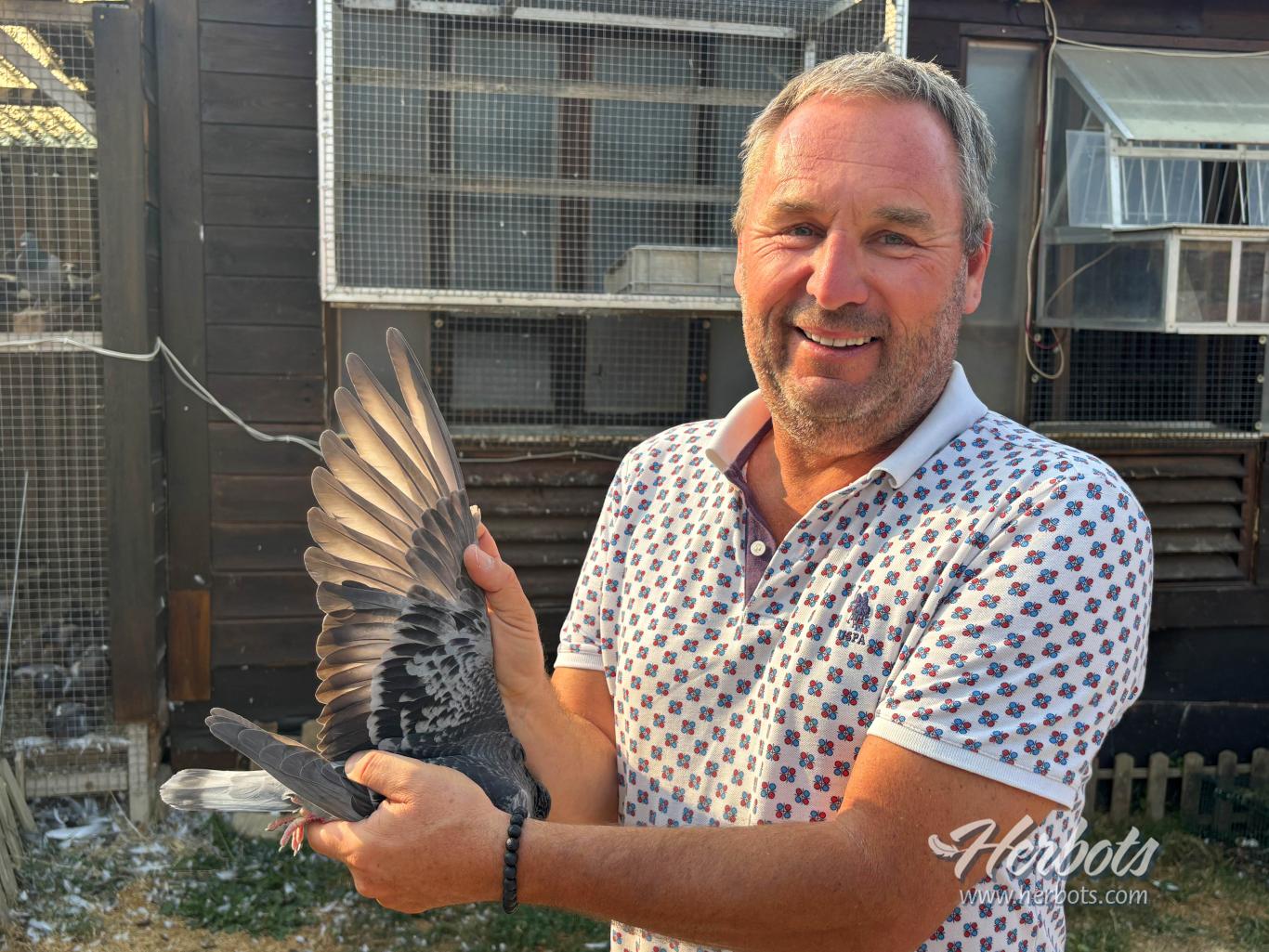
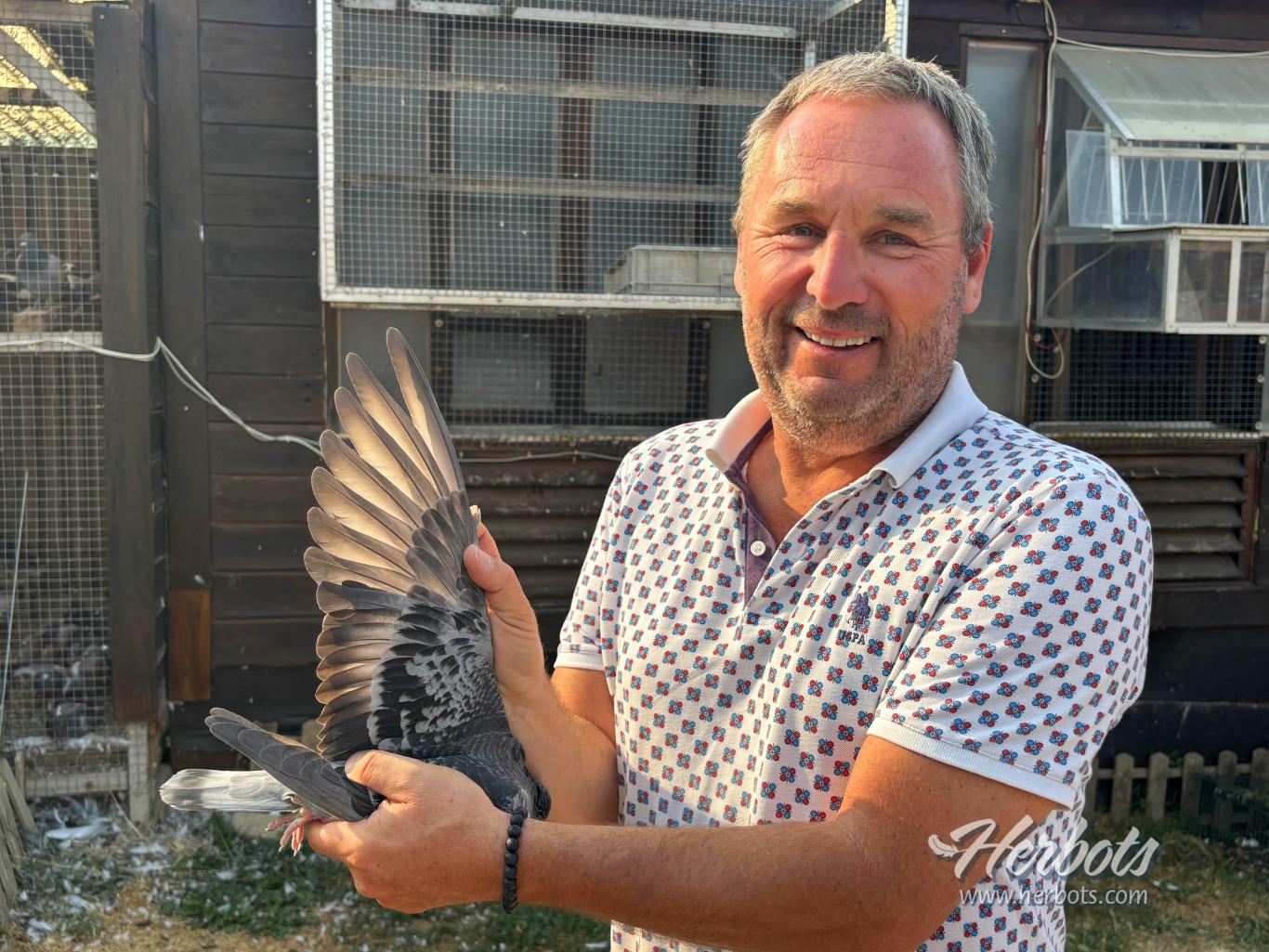
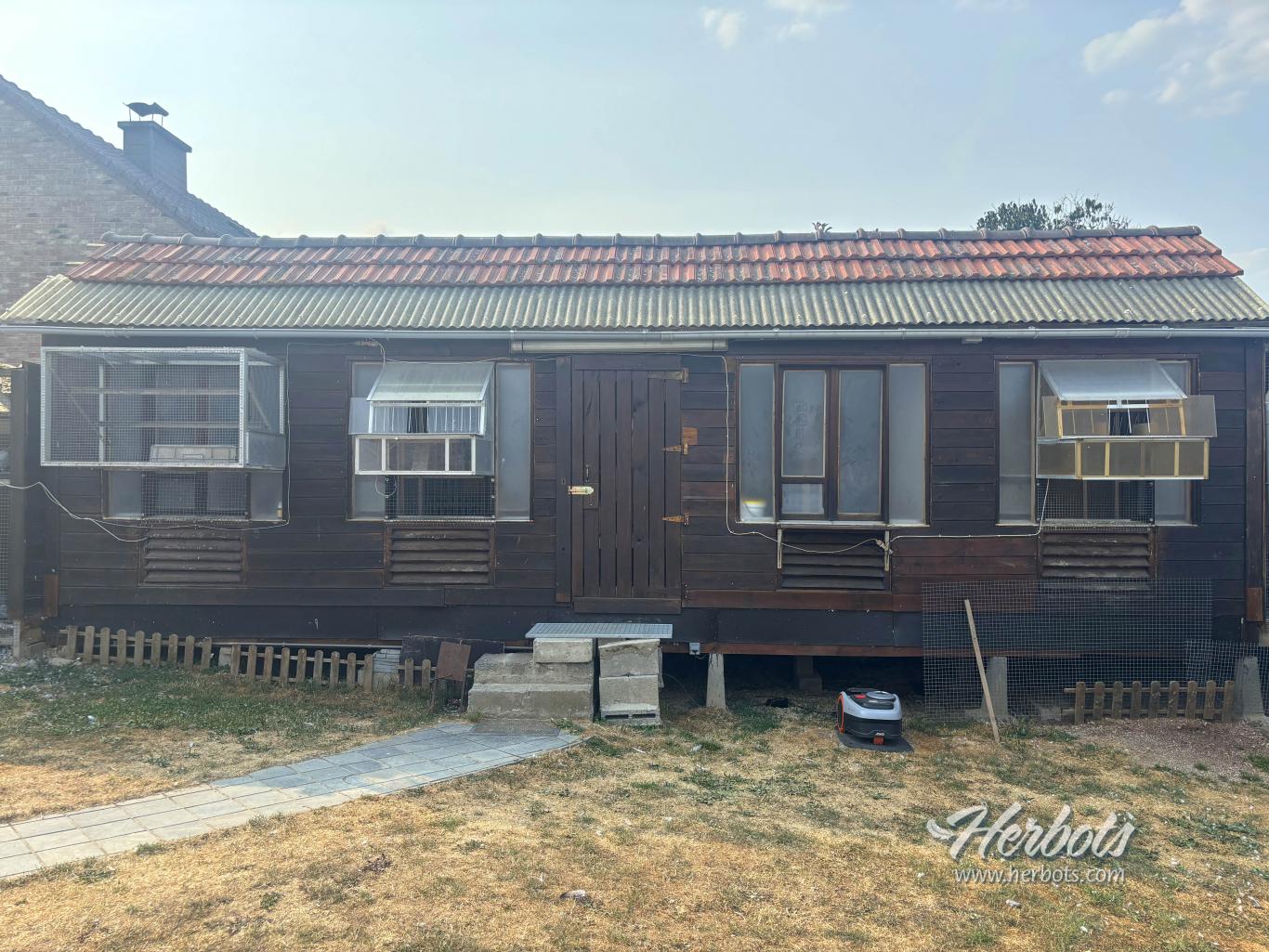
Just a few minutes in Jemelle are enough to understand that nothing has been left to chance here. Nestled in a region where the Ardennes valleys follow one another and the winds constantly shift with the rolling landscape, Philippe Dermience's property radiates peace and harmony. The impeccably maintained lofts blend naturally into their surroundings. There is no ostentatious luxury or oversized facilities—everything has been designed with one priority in mind: the well-being of the pigeons. There is only one ambition: to breed racing pigeons capable of competing with the very best over the longest distances. Behind this success story, however, lies a journey built on patience, passion and a constant willingness to question oneself. Nothing was ever guaranteed.
A Passion That Began Almost by Chance
At the age of 58, Philippe Dermience can look back on nearly four decades in pigeon racing. Yet nothing initially suggested that he would one day devote so much of his life to the sport. Everything started in 1987 when he met a young woman whose father, Fernand Stiers, was a well-known sprint pigeon fancier. The moment the young Philippe stepped into his loft, he was captivated. The pigeon racing bug had taken hold. Like so many successful fanciers, he started in the most modest way. His first pigeons naturally came from Fernand Stiers, who gave him far more than just a few quality birds. He taught him discipline, keen observation and, above all, respect for the pigeon—values that Philippe still holds dear today. His start was nothing short of remarkable. In his very first season he dominated the sprint races at the Jemelle club, confirming what he had already sensed: he possessed a natural feeling for pigeons. At that time, the lofts were located at his parents' home in Rochefort. His father, initially just an interested observer, soon caught the pigeon racing fever himself. For nearly twenty years, father and son built their colony together, constantly experimenting and learning the finer points of competition with every race.
Then came a major turning point.
In 1995, Philippe decided to build his own home. One detail perfectly sums up the man: the pigeon loft was completed before the family house. While most people would have started with the living room or the kitchen, Philippe made sure his pigeons had a proper home first. It may raise a smile, but it perfectly illustrates the central role pigeon racing has always played in his life.
From Sprint Racing to Extreme Long Distance
Like many fanciers, Philippe Dermience began his pigeon racing career in sprint racing. During his first two or three seasons, he got to know his pigeons and gradually refined his own system. Before long, however, another discipline caught his attention. First long-distance racing, then extreme long-distance racing. These races demand far more than sheer speed. They reward complete pigeons—birds capable of maintaining peak performance for hours, sometimes even an entire day, regardless of the weather conditions. The search for the perfect long-distance pigeon gradually became a true passion. As the years went by, the top performances continued to follow one another. National top rankings confirmed the steady progress of his colony. Philippe Dermience established himself as one of Belgium's leading long-distance specialists, achieving numerous outstanding results in the country's most prestigious national races. Such consistency is no coincidence. It is the result of a clear philosophy to which Philippe has always remained faithful: patiently building his own family of pigeons, without chasing the latest trends.
Building a Family Before Chasing Results
When Philippe talks about the origins of his colony, one word keeps coming back: continuity. His first pigeons naturally came from Fernand Stiers. They formed the foundation upon which his colony was built. Over the years, this foundation was gradually strengthened with a bloodline that would leave a lasting mark on his breeding loft: the famous "Châteauroux" from Jan Theelen, a pigeon that has had a tremendous influence on European extreme long-distance racing. This introduction brought exactly the qualities Philippe was looking for—endurance and consistency. As time went on, the colony was further reinforced with carefully selected bloodlines obtained through fanciers such as Vincent Schroeder, Anthony Deschamps and De Smeyter. The objective was never to transform the colony completely, but rather to strengthen the qualities that were already present. "If you want to preserve a strong colony, you have to preserve its foundation," Philippe explains simply. A statement that perfectly summarizes his entire philosophy.
A Perfectly Well-Oiled Machine
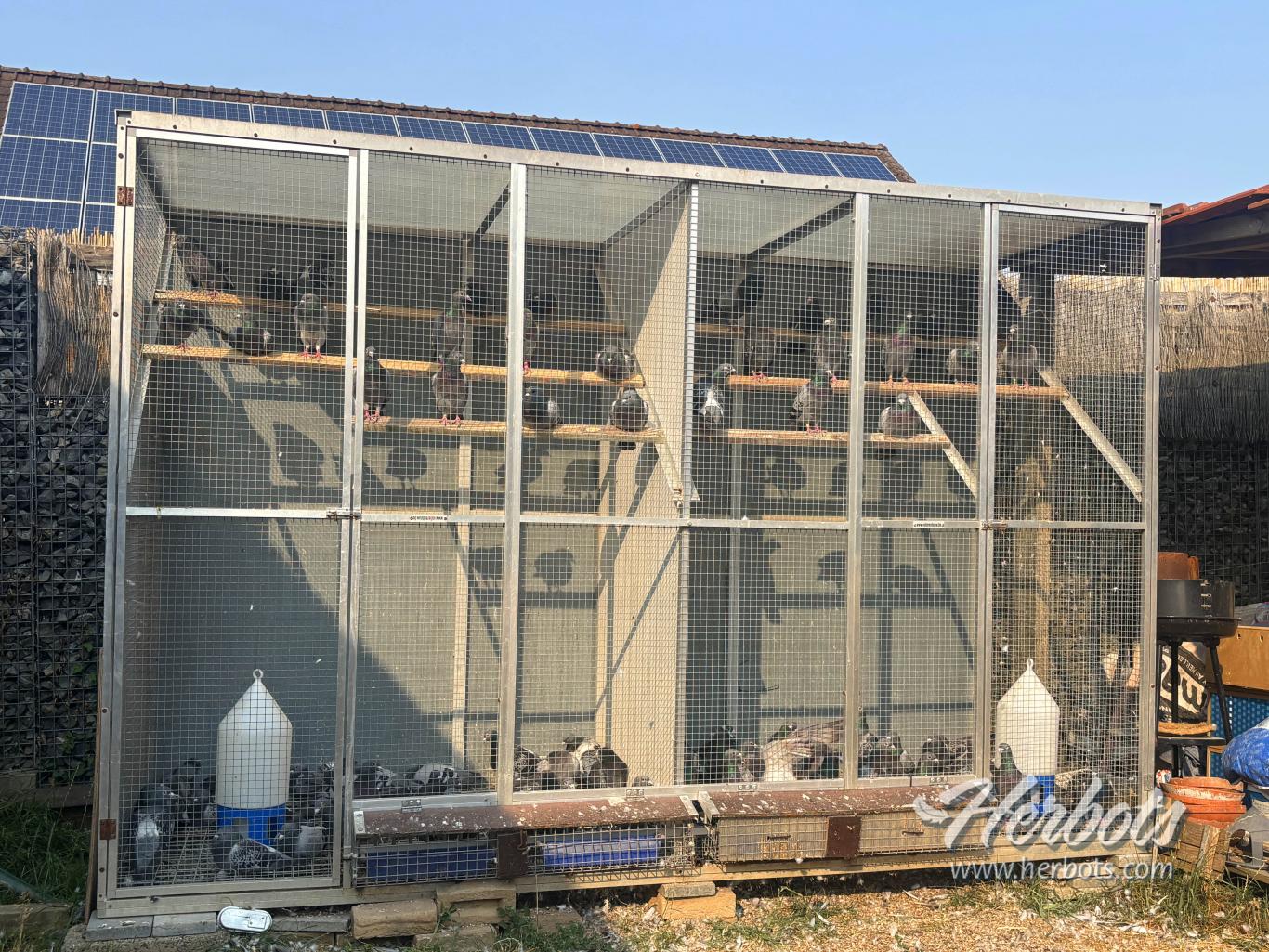
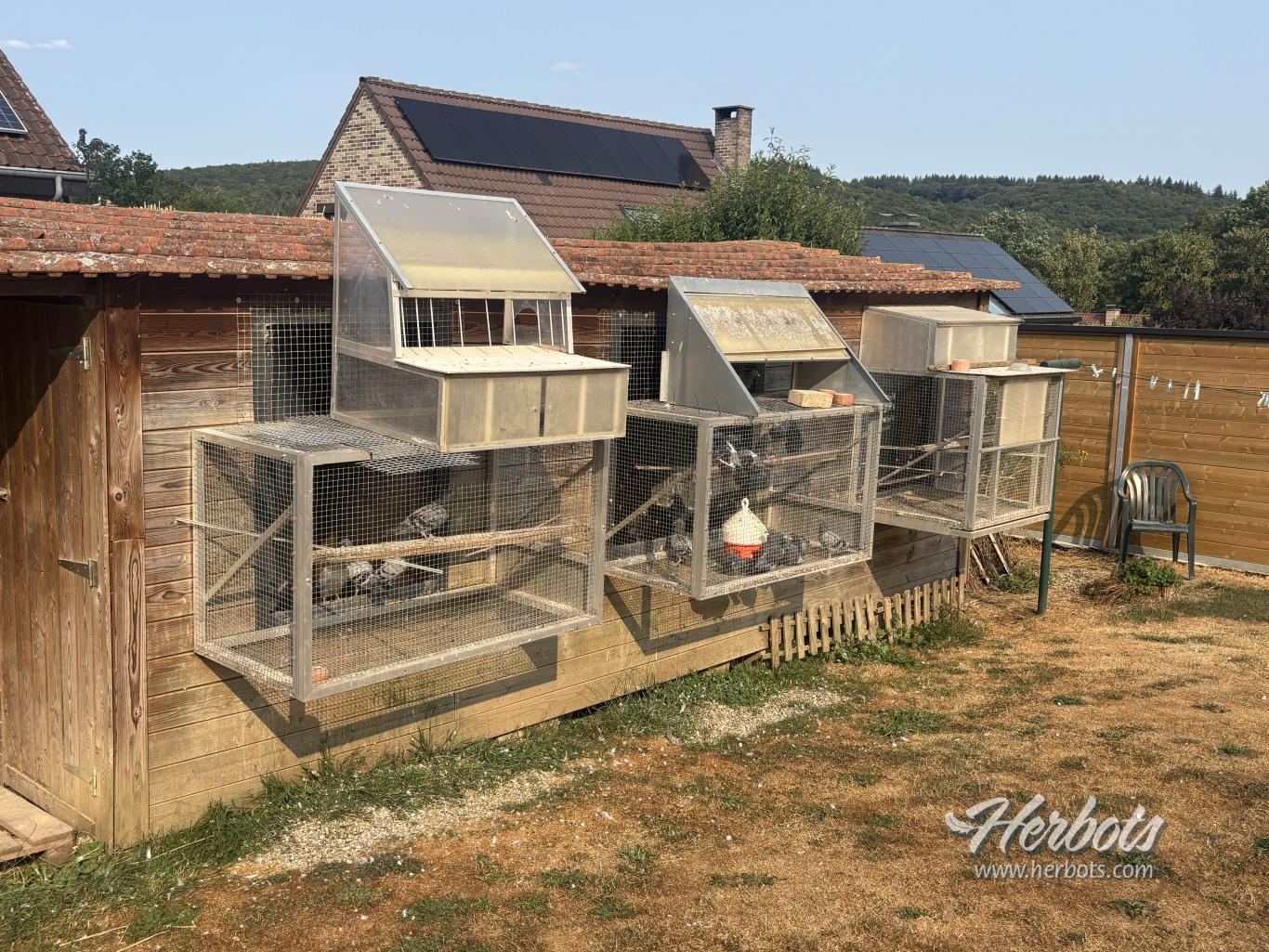
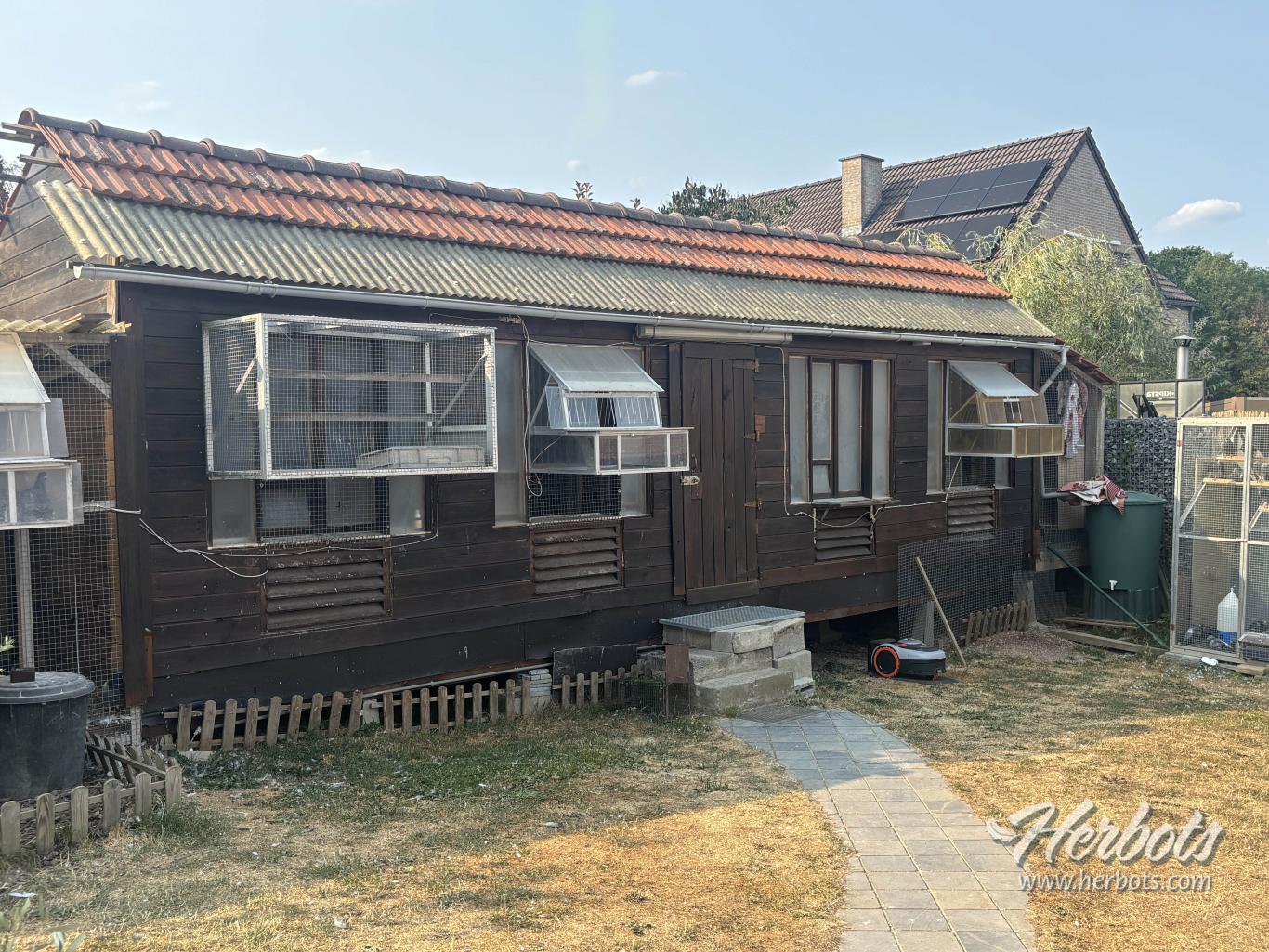
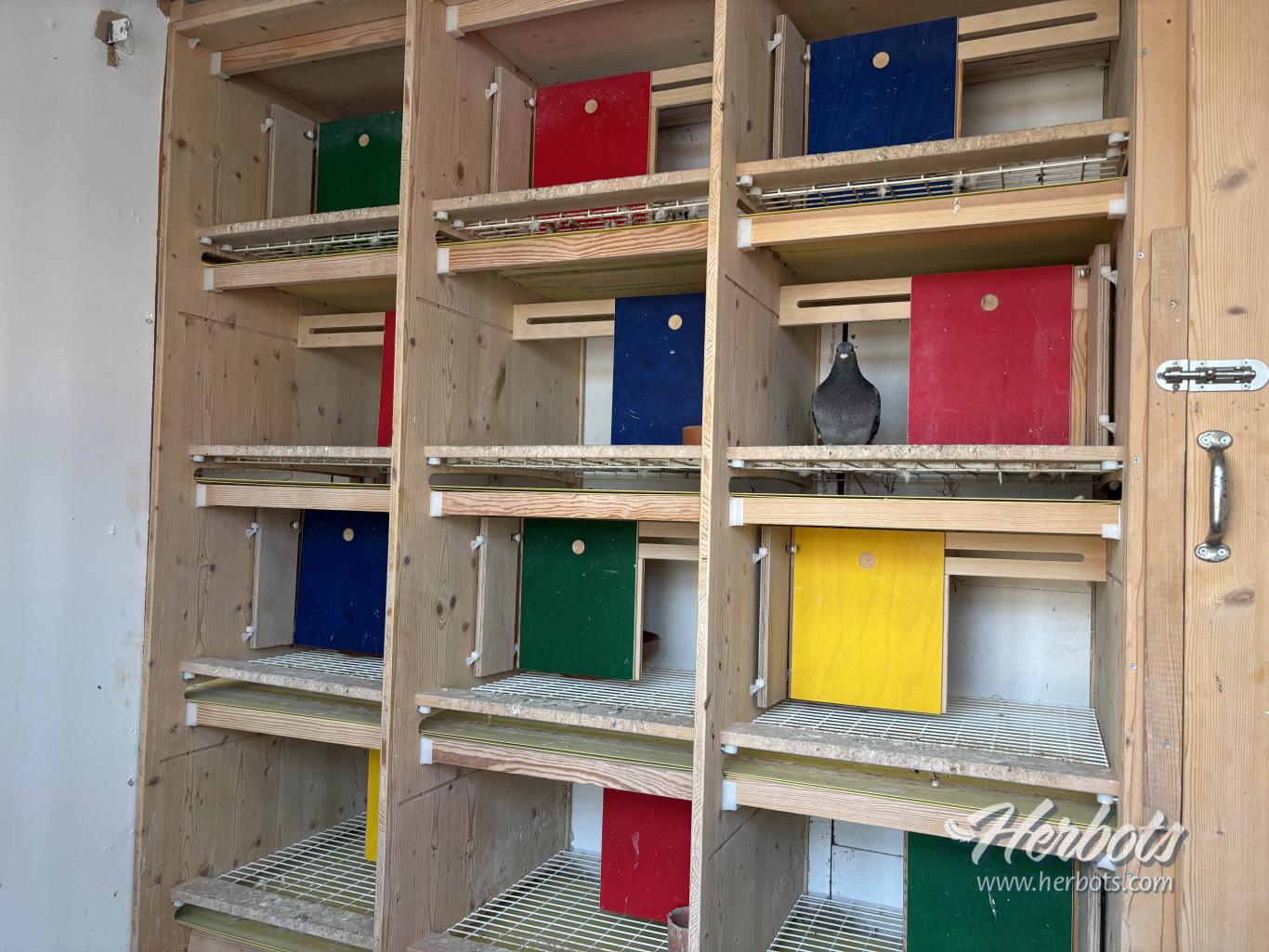
The moment you step inside the different sections of Philippe Dermience's loft, one thing immediately becomes clear: every pigeon has its place, every compartment has its purpose, and nothing is left to chance. Philippe Dermience is not a believer in complicated systems. On the contrary, he strongly advocates a simple, almost minimalist approach. "The more complicated you make it, the easier it is to lose track," he says as he opens the section housing his old widowhood cocks. His racing team consists of 16 old widowhood cocks, around 40 yearling cocks and approximately 60 hens. Every year he breeds about 150 youngsters, but after natural selection, racing losses and, above all, the ever-increasing pressure from birds of prey—which is particularly severe in this region—only 50 to 70 youngsters eventually remain in the colony. Behind the racing lofts are the breeding pigeons, housed in a separate section. Thirty-two breeding pairs live there in an atmosphere of remarkable peace and quiet. Philippe does not force pairings. Instead, the pigeons are allowed to choose their own partners. Every winter, several pairs are separated to give the birds the opportunity to form new, natural pairings. "A pair that chooses each other usually performs better than one that has been forced together," he explains. The breeders are paired as early as December, while the old racing cocks are not paired until mid-February. The yearling cocks remain unpaired at the beginning of the season, allowing them to focus entirely on learning the demands of racing. The hens are raced according to a special system. They live together and develop very strong bonds with one another. This attachment becomes a powerful source of motivation, encouraging them to return home as quickly as possible after each race.
A Pigeon Has to Learn
There is one subject on which Philippe Dermience is absolutely clear: the education of a pigeon. In his opinion, an extreme long-distance champion is not born—it is made. The old birds are entered in virtually every long-distance and extreme long-distance race on the calendar. "I'd be sick if I had to skip a race," he says with a smile. The hens follow the same demanding schedule. They are tested regularly, without being overprotected. It is with the yearlings, however, that Philippe's philosophy becomes most apparent. He likes to enter them in the races organised by the Groupement Luxembourgeois. "That's where I separate the good pigeons from the rest. If they can hold their own in those races, they have what it takes to become true extreme long-distance pigeons." That single statement perfectly summarizes his entire approach: the race is the only true judge. Young birds, on the other hand, are not Philippe's main focus. He trains and educates them carefully, but he has no ambition to win young bird championships at all costs. In some seasons, he races them only sparingly. This year, for example, they completed just a few progressive training tosses of 10, 20 and finally 40 kilometres. His goal is not to become a champion with young birds. His real ambition lies elsewhere.
A Perfectly Well-Oiled Machine
The moment you step inside the different sections of Philippe Dermience's loft, one thing immediately becomes clear: every pigeon has its place, every compartment has its purpose, and nothing is left to chance. Philippe Dermience is not a believer in complicated systems. On the contrary, he strongly advocates a simple, almost minimalist approach. "The more complicated you make it, the easier it is to lose track," he says as he opens the section housing his old widowhood cocks. His racing team consists of 16 old widowhood cocks, around 40 yearling cocks and approximately 60 hens. Every year he breeds about 150 youngsters, but after natural selection, racing losses and, above all, the ever-increasing pressure from birds of prey—which is particularly severe in this region—only 50 to 70 youngsters eventually remain in the colony. Behind the racing lofts are the breeding pigeons, housed in a separate section. Thirty-two breeding pairs live there in an atmosphere of remarkable peace and quiet. Philippe does not force pairings. Instead, the pigeons are allowed to choose their own partners. Every winter, several pairs are separated to give the birds the opportunity to form new, natural pairings. "A pair that chooses each other usually performs better than one that has been forced together," he explains. The breeders are paired as early as December, while the old racing cocks are not paired until mid-February. The yearling cocks remain unpaired at the beginning of the season, allowing them to focus entirely on learning the demands of racing. The hens are raced according to a special system. They live together and develop very strong bonds with one another. This attachment becomes a powerful source of motivation, encouraging them to return home as quickly as possible after each race.
A Pigeon Has to Learn
There is one subject on which Philippe Dermience is absolutely clear: the education of a pigeon. In his opinion, an extreme long-distance champion is not born—it is made. The old birds are entered in virtually every long-distance and extreme long-distance race on the calendar. "I'd be sick if I had to skip a race," he says with a smile. The hens follow the same demanding schedule. They are tested regularly, without being overprotected. It is with the yearlings, however, that Philippe's philosophy becomes most apparent. He likes to enter them in the races organised by the Groupement Luxembourgeois. "That's where I separate the good pigeons from the rest. If they can hold their own in those races, they have what it takes to become true extreme long-distance pigeons." That single statement perfectly summarizes his entire approach: the race is the only true judge. Young birds, on the other hand, are not Philippe's main focus. He trains and educates them carefully, but he has no ambition to win young bird championships at all costs. In some seasons, he races them only sparingly. This year, for example, they completed just a few progressive training tosses of 10, 20 and finally 40 kilometres. His goal is not to become a champion with young birds. His real ambition lies elsewhere.
The Quest for a National Extreme Long Distance Ace Pigeon
"My dream is to breed a National Extreme Long Distance Ace Pigeon." He says it naturally, without any grand gestures. Yet this simple statement perfectly explains the philosophy behind his entire colony. Every decision is made with that single goal in mind: the selection process, the pairings, the racing programme and the evaluation of the yearlings. Selection, in particular, plays a crucial role. Philippe is refreshingly straightforward about it. "I don't look at the pedigree. Only performance matters." In a world where prestigious bloodlines can sometimes overshadow everything else, this is a remarkable standpoint. Of course, Philippe fully appreciates the importance of strong families and has built his colony around proven bloodlines. But once a pigeon enters his loft, an impressive pedigree earns it no special treatment. The race decides. A pigeon may come from the finest bloodlines in the world, but if it fails to demonstrate the qualities Philippe is looking for in competition, it simply will not stay. This uncompromising approach to selection undoubtedly explains the remarkable consistency with which Philippe Dermience has achieved top national results year after year.
The Pigeons That Shaped the Colony
Some lofts are built around one exceptional foundation pigeon. At Philippe Dermience's loft, several outstanding racers have played that role, but two names are mentioned time and time again: "L'Éclair" and "La Brive." "L'Éclair" gave the colony a decisive boost. His descendants inherited speed, excellent orientation and, above all, the ability to perform consistently at the highest level over the long distances. Then came the hen that won 2nd National Brive, a result that firmly established Philippe Dermience among Belgium's leading long-distance specialists. Directly descended from the famous Theelen family, this hen proved that the colony now possessed everything required to compete with the very best national fanciers. She occupies a very special place within the breeding loft. She is a daughter of the 1st National Châteauroux winner against more than 13,000 pigeons, an exceptional racer that left a lasting mark on the breeding programme. Like all truly outstanding breeding hens, she later confirmed her value in the breeding loft, becoming the grandmother of the 1st National KBDB Extreme Long Distance Ace Pigeon. Yet another example proving that the success at Philippe Dermience's loft is no coincidence, but the result of a carefully developed family capable of passing its qualities from one generation to the next.
Simplicity as a Guiding Principle
That same pursuit of simplicity is equally evident in Philippe's approach to health care and nutrition. He mainly works with Schroeder products and has his pigeons checked once or twice a year by veterinarian Raf Herbots. Rather than carrying out countless preventative examinations before the season starts, he prefers a measured approach, intervening only when necessary. His health programme remains straightforward: Vaccination against Paramyxovirus and Pigeon Pox for the youngsters. Booster vaccinations for the old birds. A preventive treatment against Paratyphoid. Targeted treatments against Trichomoniasis and Coccidiosis whenever required. As for respiratory health, he only intervenes in the build-up to the major extreme long-distance races. The same philosophy applies to feeding. The breeders receive a breeding mixture, while the racing pigeons are fed a Colombi base mixture, supplemented with Beyers Energy during the final three days leading up to the major races. Supplements are kept to a minimum as well, limited to a few proven products such as Tollyamin and several Herbots supplements. "My system is to keep everything as simple as possible," Philippe repeats. Watching the quality of the pigeons in Philippe Dermience's loft, it quickly becomes clear that this simplicity has nothing to do with taking shortcuts. It is the product of nearly forty years of experience, thousands of racing kilometres and one deeply rooted conviction: In extreme long-distance racing, details certainly matter—but only a consistent and well-balanced approach can deliver lasting success. There is just one final chapter left to tell: the story of the man behind the results, his unique relationship with his pigeons, and what makes the Dermience colony in Jemelle so special today.
A Success Built Over Time
Over the years, Philippe Dermience has established himself as one of the leading names in Belgian long-distance and extreme long-distance pigeon racing. Yet nothing in his journey suggests a relentless pursuit of fame or recognition. His success came naturally, as the reward for years of consistent, dedicated and humble work. His name regularly appears among the very best in the national rankings, a testament to his exceptional consistency at the highest level. Among his many outstanding achievements, several results stand out in particular: 2nd National Brive, 4th National Marseille, 10th National Jarnac, and above all two National victories from Narbonne within the space of four years. An achievement made even more remarkable by a 2nd International Narbonne and a 1st International Narbonne, firmly establishing Philippe Dermience as one of Europe's leading references in long-distance and extreme long-distance racing. But reducing Philippe Dermience to his impressive list of achievements alone would not do justice to his story. What strikes you most during a visit to his lofts in Jemelle is the remarkable consistency of the entire operation. Every decision, every pairing and every selection follows the same clear philosophy. There are no miracle cures, no fashionable shortcuts. Everything revolves around patiently building a colony capable of performing at the highest level year after year. In a sport where trends are constantly changing, Philippe has always remained true to his own principles: observe before acting, test before keeping, and above all, always give the pigeon the opportunity to prove itself. This philosophy has enabled him to build an exceptionally homogeneous family of pigeons, admired far beyond the borders of his own region and one whose performances continue to inspire countless fanciers today. Before leaving Jemelle, we would like to express our sincere gratitude to Philippe Dermience for the time he generously devoted to us, for his warm hospitality, and for the openness and simplicity with which he shared his knowledge and experience. He gladly opens the doors of his loft and is always willing to share his vision of pigeon racing with both passion and humility.
We wish him many more years of success and have no doubt that many more outstanding victories await him in the finest long-distance and extreme long-distance classics.
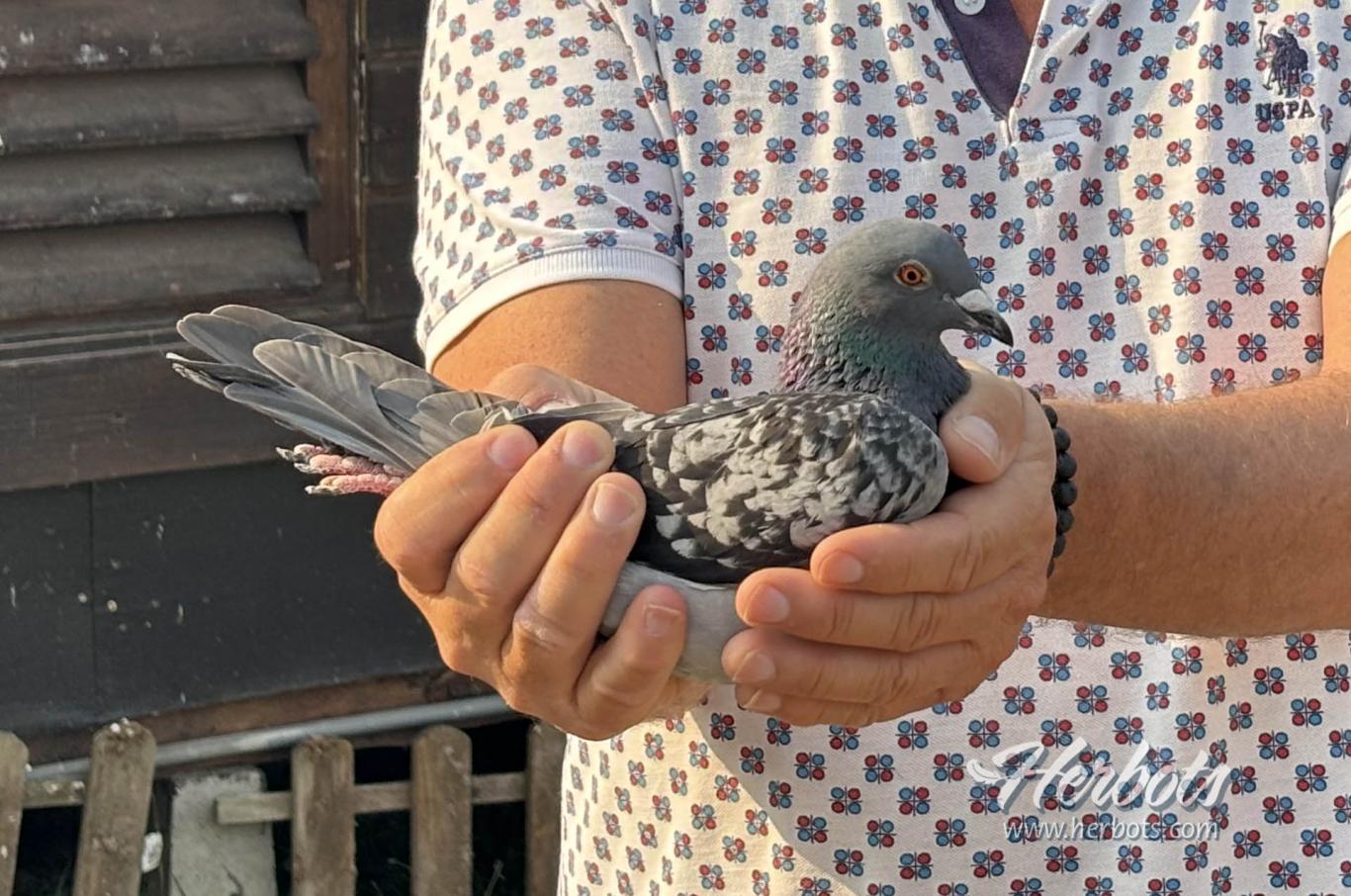
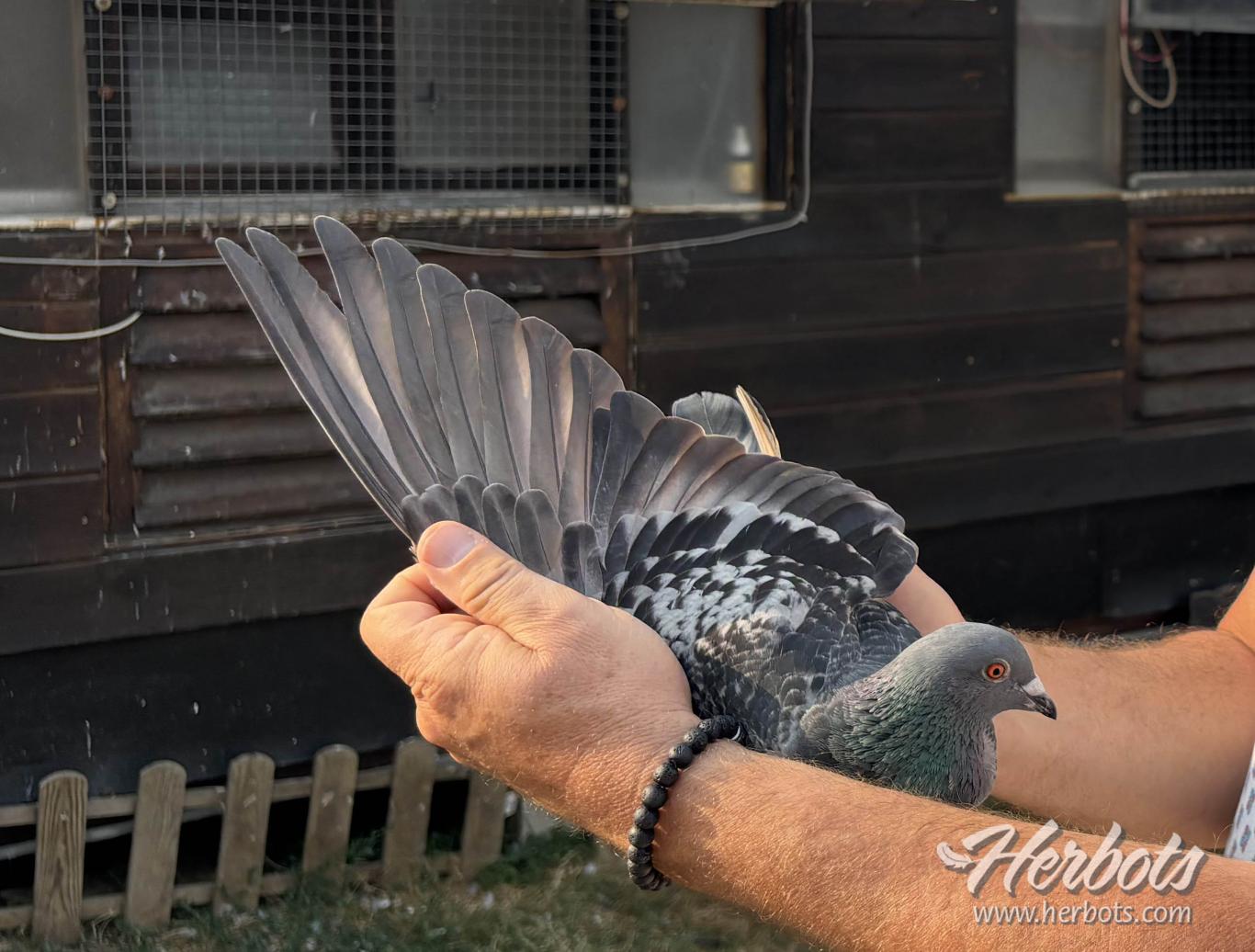
BE25-1103776
1st National Narbonne 4,223 yearbirds
1st International and fastest of 17,592 birds
Distance: 770km
Velocity: 1,058.19 m/m
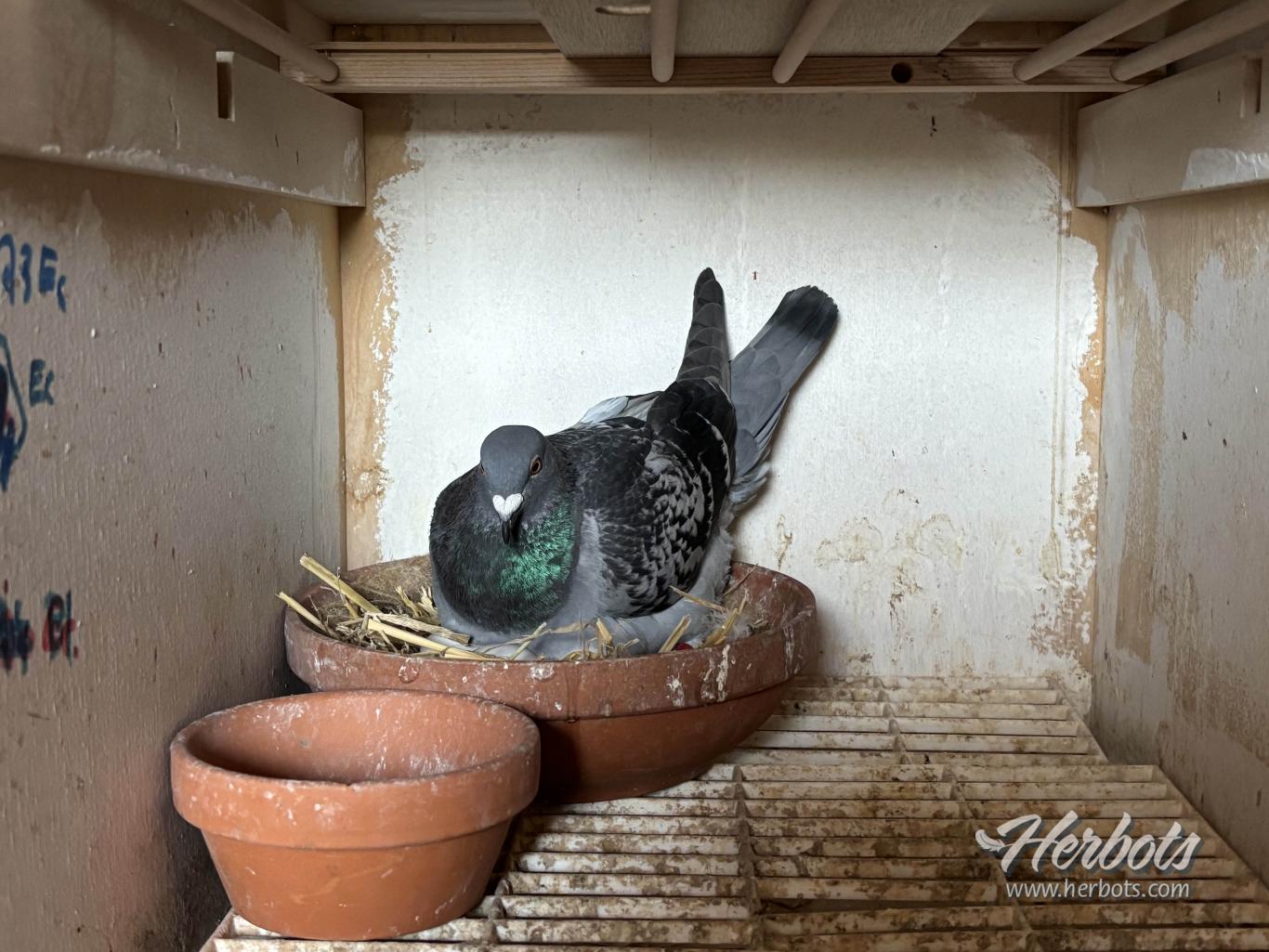

Lelièvre Julien